Canada announced an international student cap on 22 January 2024, introducing a two-year limit on new study permit applications. Immigration, Refugees and Citizenship Canada (IRCC) expects the cap to result in approximately 360,000 approved study permits in 2024, a decrease of 35% from 2023.
Corporate INTL Newsroom · Immigration & Citizenship
Canada Introduces a Two-Year International Student Cap on Study Permits
By The Corporate INTL Newsroom · 23 January 2024
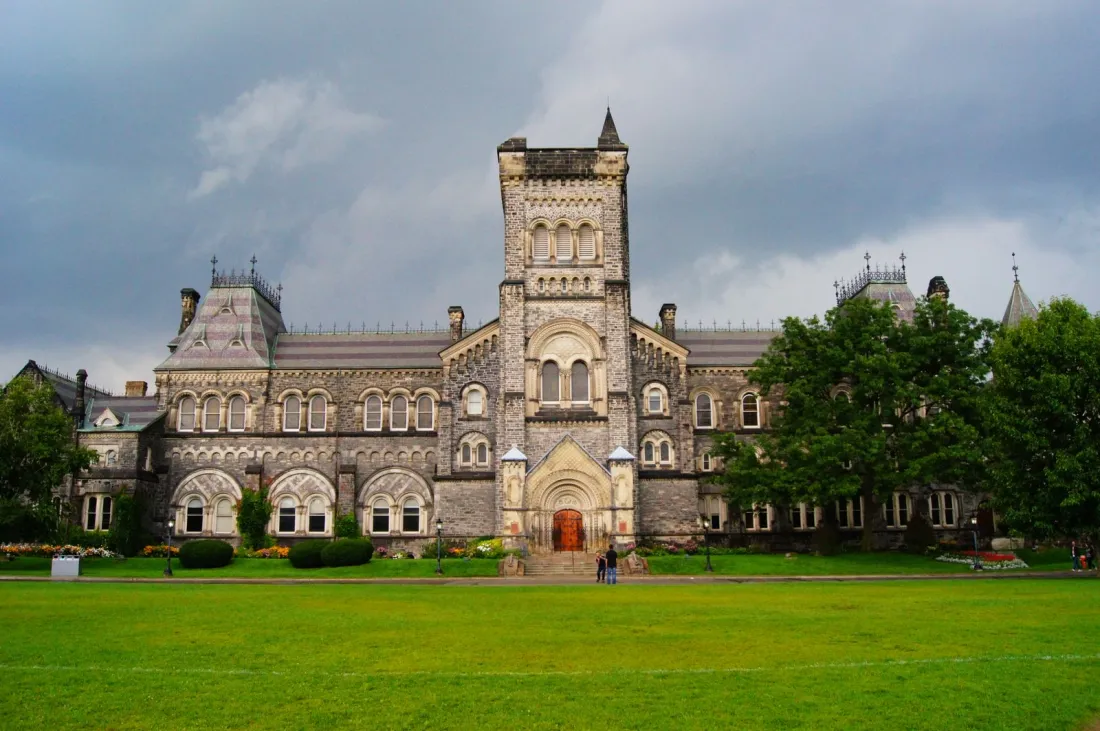
In its news release on the cap, IRCC said the measures are intended to stabilise the number of new international students in Canada, citing pressure on housing and health care. Individual caps for each province and territory are weighted by population, so the largest reductions fall where growth in international student numbers has been least sustainable.
Who the international student cap covers
The cap applies to new study permit applications. Study permit renewals are not affected, and current study permit holders are not affected. Students pursuing master's and doctoral degrees, and those in elementary and secondary education, are not included in the cap.
From 22 January 2024, every study permit application submitted to IRCC must also include an attestation letter from a province or territory. Provinces and territories are expected to have a process for issuing those letters in place by 31 March 2024.
Changes to work permits
The announcement also tightens access to work permits linked to study. From 1 September 2024, students who begin a programme delivered under a curriculum licensing arrangement will no longer be eligible for a post-graduation work permit. Graduates of master's programmes will soon be able to apply for a three-year work permit. Open work permits for spouses will be limited to the spouses of master's and doctoral students, ending eligibility for the spouses of students in undergraduate and college programmes.
The cap follows other recent changes to the programme. In December 2023 IRCC raised the cost-of-living financial requirement for study permit applicants to $20,635 for a single applicant, in addition to first-year tuition and travel costs, for applications received on or after 1 January 2024.
What happens next
The measures will be in place for two years, and IRCC will reassess the number of new study permit applications to be accepted in 2025 at the end of 2024. Institutions recruiting abroad will need to align their admissions with provincial allocations, and applicants will need an attestation letter before they can apply under the international student cap.
Sources
Looking for legal or business advice?
Tell us what you need and the Corporate INTL team will help you find the right lawyer or adviser from our members in 150+ jurisdictions.
1What you need2Your details
More from the newsroom
All latest news → Related stories

Immigration & Citizenship
Greece Golden Visa Requirements 2026: €800,000 and €400,000 Zones, Costs and How to Apply

Immigration & Citizenship
How to Apply for Spain Digital Nomad Visa: Steps, Income, Fees and Tax for 2026

Immigration & Citizenship