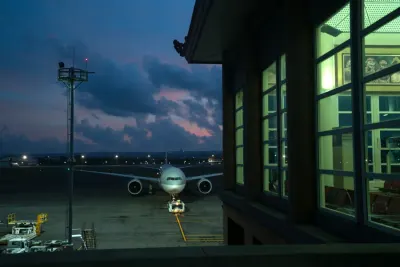
The US Federal Aviation Administration has ordered the temporary grounding of certain Boeing 737-9 MAX aircraft after a mid-cabin door plug separated from an Alaska Airlines flight shortly after take-off from Portland, Oregon, on 5 January 2024. The FAA said on 6 January that its Emergency Airworthiness Directive requires operators to inspect affected aircraft before further flight and will affect approximately 171 airplanes worldwide.
Corporate INTL Newsroom · Aviation
FAA Orders Grounding of Boeing 737-9 MAX Aircraft After Door Plug Blowout
By The Corporate INTL Newsroom · 9 January 2024
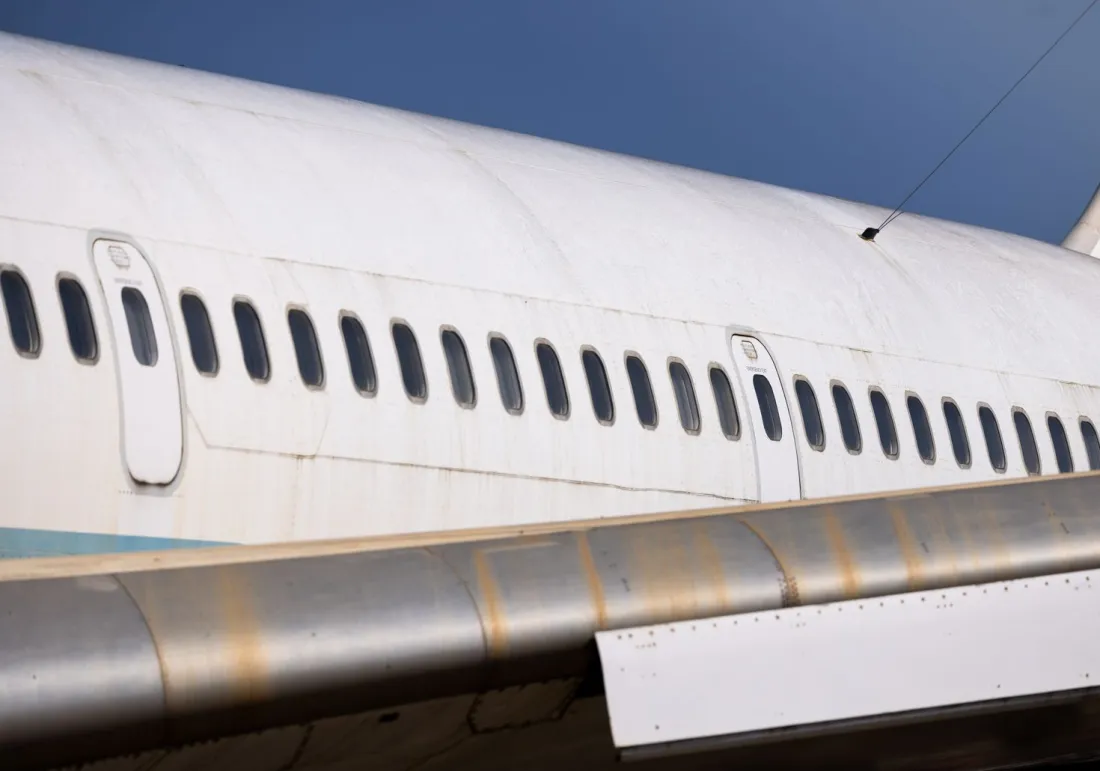
According to the National Transportation Safety Board, which is leading the investigation into Alaska Airlines Flight 1282, the aircraft experienced an in-flight separation of the left mid exit door plug and rapid depressurisation while climbing through about 14,830 feet. The flight returned to Portland.
What the directive requires
The Emergency Airworthiness Directive applies to 737-9 MAX aircraft operated by US airlines or in US territory that have a mid-cabin door plug installed. The FAA said the required inspections would take around four to eight hours per aircraft. On 8 January the agency said it had approved a method of compliance and provided it to operators, and that the aircraft will remain grounded until operators complete enhanced inspections. The FAA has stressed that safety, not speed, will determine when the aircraft return to service.
Who is affected
The directive falls first on operators of the affected fleet, which must take aircraft out of service, carry out the inspections and complete any corrective action before flying them again. Cancellations and schedule changes follow for passengers. Beyond the operators, the incident raises questions for the manufacturer and its supply chain about production quality and oversight, and for lessors and insurers about the cost of aircraft standing idle.
Airlines operating the type outside the United States will look closely at the directive and at decisions by their own national authorities, since aviation regulators commonly act on airworthiness directives issued by the authority of the state of design.
What happens next
The NTSB investigation will establish how the door plug came to separate, and the FAA's return-to-service conditions will depend on the inspection findings reported by operators. Contractual consequences, including claims between airlines, lessors and the manufacturer for lost revenue and disruption, will turn on the terms of purchase and lease agreements and on what the investigation ultimately finds. Passengers on cancelled flights may have rights under carrier conditions and applicable consumer rules.
Sources
Looking for legal or business advice?
Tell us what you need and the Corporate INTL team will help you find the right lawyer or adviser from our members in 150+ jurisdictions.
1What you need2Your details
More from the newsroom
All latest news →