The EU 14th sanctions package against Russia targets Russian liquefied natural gas for the first time, banning the use of EU ports to transship Russian LNG after a nine-month transition. The Council adopted the package on 24 June 2024, and the European Commission said in its statement that it responds to findings on the ground and tackles enforcement and circumvention.
Corporate INTL Newsroom · Energy, Environment & Resources
EU 14th Sanctions Package Targets Russian LNG Transshipment
By The Corporate INTL Newsroom · 25 June 2024
Energy measures
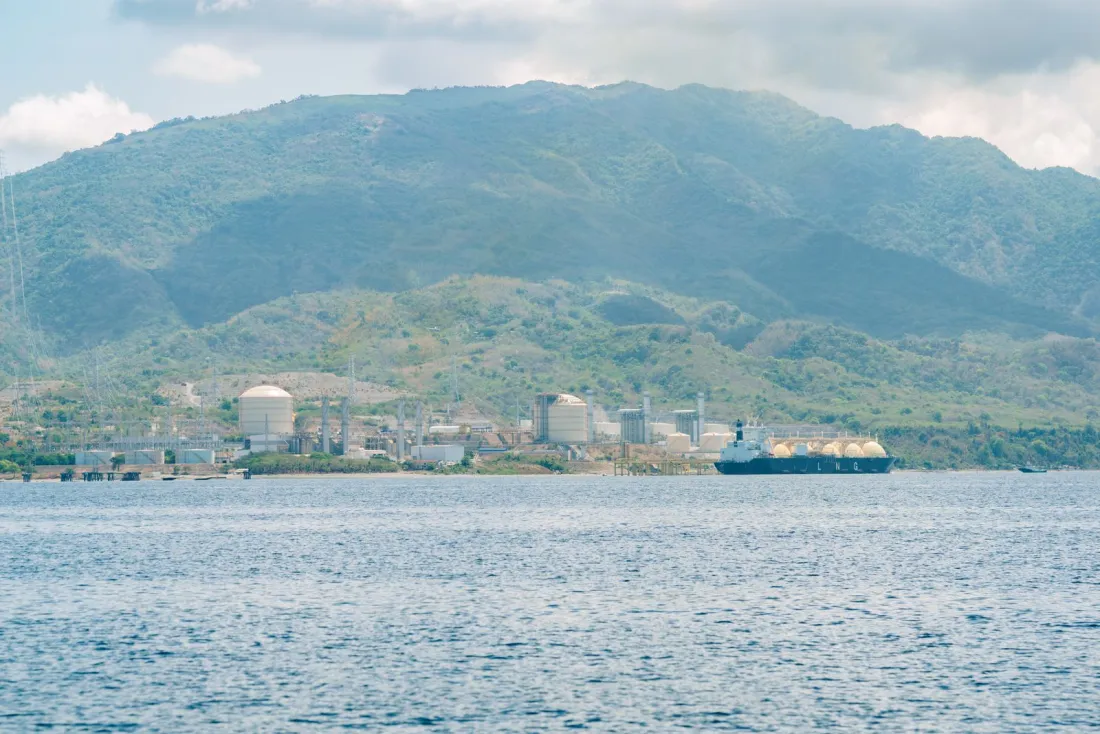
The package prohibits all future investments in, and exports to, LNG projects under construction in Russia. The Commission's questions and answers name new terminals such as Arctic LNG 2 and Murmansk LNG and say the ban on goods, technology and services is intended to limit the future expansion of Russia's LNG capacity.
After a transition period of nine months, Russian LNG may no longer be transshipped via EU ports, and related technical services are also prohibited. A derogation can be requested where the destination of the cargo is another Member State. The package also bans imports of Russian LNG into specific terminals that are not connected to the EU gas pipeline network.
Shipping, finance and anti-circumvention
For the first time, the EU has listed specific vessels, placing 27 ships under a ban on port access and services for their role in transporting military equipment and stolen Ukrainian grain, participating in the dark fleet carrying Russian oil, or supporting the development of the Russian LNG sector. A further 116 listings of 69 individuals and 47 entities are subject to asset freezes and, for individuals, travel bans.
EU banks outside Russia are prohibited from connecting to or using SPFS, the Russian central bank's financial messaging system, and EU operators may not transact with listed third-country banks that use it to support circumvention. EU companies must use their best efforts to ensure that their subsidiaries in third countries do not take part in activities that undermine EU sanctions, and a "no Russia" clause will apply to transfers of intellectual property rights so that industrial know-how is not used to manufacture common high priority goods for Russia.
Who is affected
LNG traders, terminal operators, shipowners and charterers that handle Russian cargoes in EU ports have nine months to unwind transshipment arrangements and must check whether any affected terminal falls within the import ban. Suppliers of goods, technology and services to Russian LNG projects under construction are covered by the new prohibition. Groups with subsidiaries outside the EU should review their sanctions compliance programmes in light of the best efforts obligation, and licensors of technology should consider updating contracts for the new intellectual property clause.
Sources
Looking for legal or business advice?
Tell us what you need and the Corporate INTL team will help you find the right lawyer or adviser from our members in 150+ jurisdictions.
1What you need2Your details
More from the newsroom
All latest news → Related stories
Energy, Environment & Resources
Physical PPA vs Virtual PPA: Risks, Accounting and Scope 2 Claims
Energy, Environment & Resources
Can Oil Companies Be Sued for Climate Change? Suncor v Boulder Reaches the US Supreme Court

Energy, Environment & Resources