On 23 October 2025 EU Member States adopted the 19th sanctions package against Russia. The European Commission said the package targets energy, finance, the military-industrial base and special economic zones, as well as third-country enablers of Russia's war against Ukraine. The trade and sectoral measures are made by Council Regulation (EU) 2025/2033, amending Regulation (EU) No 833/2014.
Corporate INTL Newsroom · Regulatory & Public
EU Adopts 19th Sanctions Package Against Russia Including LNG Import Ban
By The Corporate INTL Newsroom · 24 October 2025
Energy and shipping
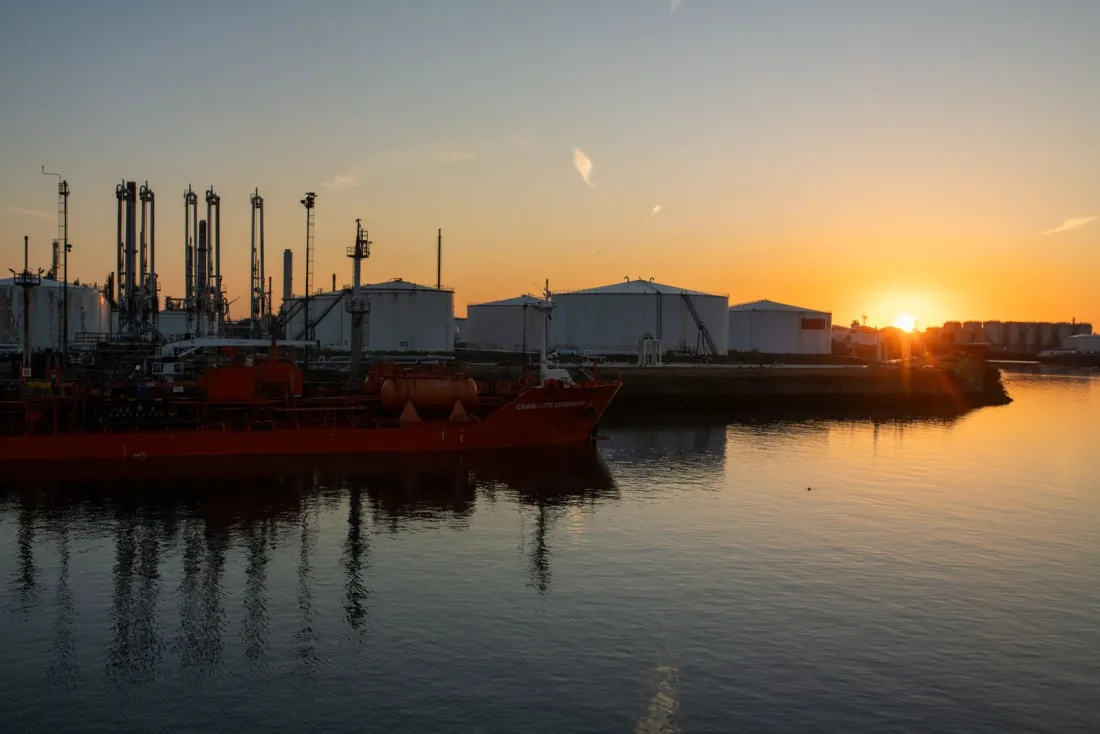
The package introduces a ban on imports of Russian liquefied natural gas (LNG), applying from 1 January 2027 for long-term contracts and within six months of entry into force for short-term contracts. A full transaction ban now applies to Rosneft and Gazprom Neft, with exemptions for oil imported from third countries such as Kazakhstan and for transport of oil compliant with the oil price cap to third countries. Two Chinese refineries and an oil trader that buy Russian crude are also sanctioned.
A further 117 vessels are listed, bringing to 557 the number of shadow fleet ships subject to a port access ban and a ban on receiving services. Sanctions extend along the shadow fleet value chain, including a UAE-based enabler and maritime registries providing false flags, and the port infrastructure ban is widened so that ports in third countries can be listed.
Finance and crypto
Five more Russian banks are added to the transaction ban, together with five banks in Central Asia and four financial institutions in Belarus and Kazakhstan that use Russia's SPFS payment system. Transactions involving the Mir card scheme and the SBP fast payment system are prohibited. For the first time, the EU imposes sanctions on a rouble-backed stablecoin, A7A5, its developer, its Kyrgyz issuer and a related trading platform, and bans EU operators from providing crypto services that could help Russia build its own financial infrastructure.
Trade and anti-circumvention
New export restrictions cover further dual-use items and advanced technologies, and new export bans cover goods such as salts and ores, construction materials and rubber articles worth €155 million of EU exports in 2024. A further 45 entities, 28 in Russia and 17 in third countries, are listed for supporting the military-industrial complex or helping circumvent sanctions. EU businesses should update screening lists and review contracts with counterparties in the jurisdictions named.
Sources
Looking for legal or business advice?
Tell us what you need and the Corporate INTL team will help you find the right lawyer or adviser from our members in 150+ jurisdictions.
1What you need2Your details
More from the newsroom
All latest news → Related stories

Regulatory & Public
Is Online Gambling Legal in the Netherlands? The Ksa's Record €37m EOD Code Fine
Regulatory & Public
Are Prediction Markets Legal? The Kalshi Rulings, State Gaming Law and Global Bans
Regulatory & Public