The European Parliament and the Council of the EU reached a provisional agreement on the European Health Data Space (EHDS) on 15 March 2024. The regulation, proposed by the European Commission in May 2022, sets common rules for how patients access their electronic health data across the EU and how health data can be reused for research, innovation and policymaking.
Corporate INTL Newsroom · Life Sciences & Pharmaceuticals
What the European Health Data Space Deal Means for Patients and Researchers
By The Corporate INTL Newsroom · 18 March 2024
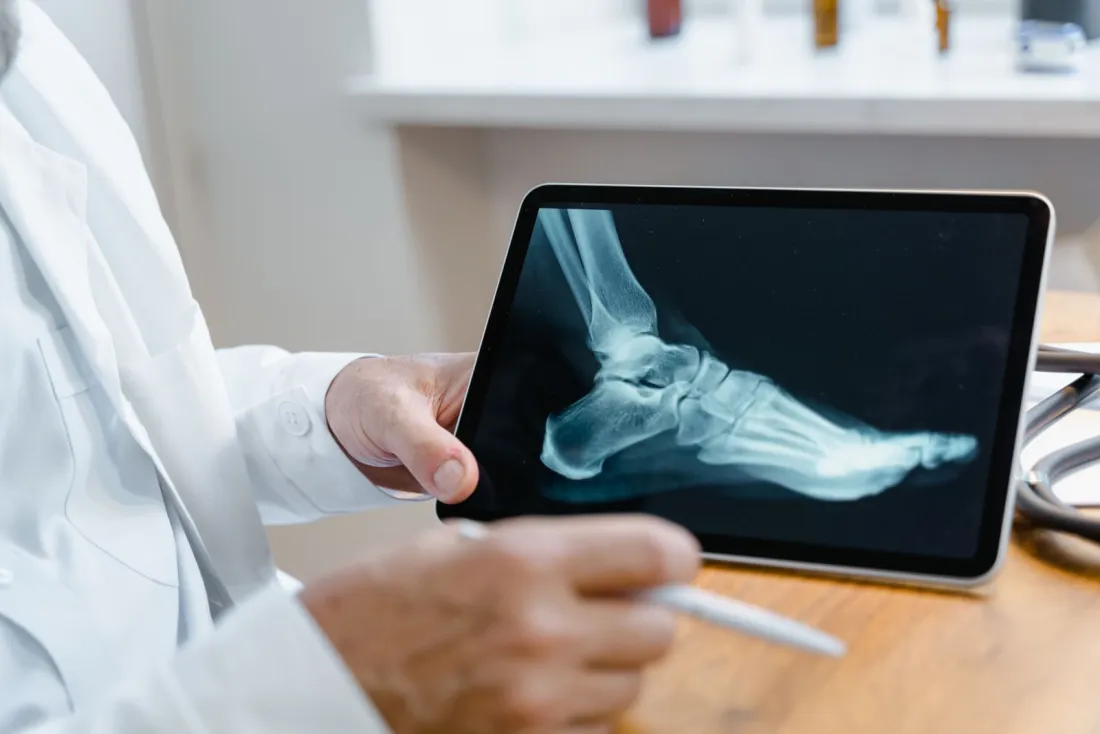
The Commission welcomed the political agreement as one of the central building blocks of a European Health Union. It described two main aims: to give citizens control over their health data so they can receive better care anywhere in the EU, and to open up data for research and public health uses in full compliance with EU data protection standards.
What changes for patients
According to the European Parliament, patients will be able to access their personal health data electronically and download their health record free of charge, including patient summaries, electronic prescriptions, medical images and laboratory results. Health professionals will be able to see the records needed for a patient's treatment, including when the patient is treated in another Member State. Patients will be told each time their data is accessed and can request corrections, and they will be able to object to professionals accessing their data, except where this is needed to protect vital interests.
What changes for research and industry
The European Health Data Space also creates a legal framework for secondary use of health data. Anonymised or pseudonymised data can be shared for purposes in the public interest, such as research, innovation, policymaking, education and patient safety. Patients will be able to opt out of secondary use, subject to exceptions for public interest, policymaking and statistics. Some uses are ruled out altogether: data may not be shared for advertising, for assessing insurance requests, for decisions on the labour market or lending conditions, or for discrimination or profiling.
For pharmaceutical, medical device and digital health companies, the framework promises access to larger and more comparable datasets for developing treatments and personalised medicines, subject to strict access conditions and enforcement by national data protection authorities, which will be able to impose fines.
What happens next
The Parliament and the Council must now formally adopt the regulation. The Commission said the rules will then become applicable in stages, depending on the use case and the type of data, giving hospitals, electronic health record system suppliers and data users time to prepare for the European Health Data Space.
Sources
Looking for legal or business advice?
Tell us what you need and the Corporate INTL team will help you find the right lawyer or adviser from our members in 150+ jurisdictions.
1What you need2Your details
More from the newsroom
All latest news → Related stories

Life Sciences & Pharmaceuticals
COINS Act Biotech: Treasury Proposes Barring US Investment in Chinese Drug Developers

Life Sciences & Pharmaceuticals
Do Medical Devices Need to Be CE Marked? EU MDR Rules, UKCA and Selling in Great Britain

Life Sciences & Pharmaceuticals