The International Court of Justice delivered its advisory opinion on the Obligations of States in respect of Climate Change in The Hague on 23 July 2025. The ICJ climate change advisory opinion answers two questions put by the United Nations General Assembly about what states must do to protect the climate system and what legal consequences follow if they fail to do so.
Corporate INTL Newsroom · Energy, Environment & Resources
ICJ Climate Change Advisory Opinion Finds States Have Legal Duties to Act
By The Corporate INTL Newsroom · 24 July 2025
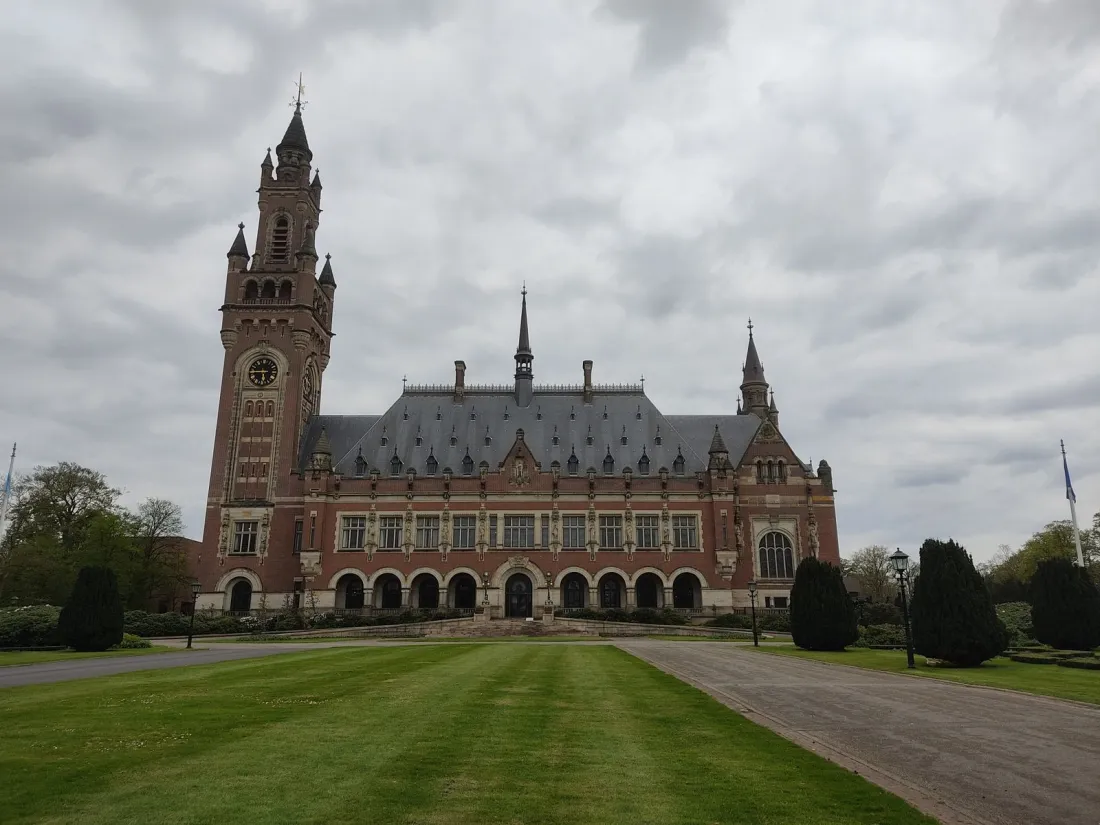
The General Assembly made the request in a resolution adopted on 29 March 2023, following an initiative led by Vanuatu. According to UN News, it is the largest case the Court has heard, with 91 written statements and 97 states taking part in the oral proceedings.
What the Court found
The Court found that states have obligations to protect the environment from greenhouse gas emissions, and that they must act with due diligence and cooperate with one another. It relied on the climate treaties, including the Paris Agreement goal of limiting warming to 1.5°C above pre-industrial levels, and on human rights instruments, observing that a clean environment is a precondition for the enjoyment of many human rights.
The Court also addressed responsibility. A state that breaches these obligations bears legal responsibility and may be required to cease the wrongful conduct, give guarantees that it will not recur and make full reparation, depending on the circumstances.
Why it matters
Advisory opinions are not binding, but they carry significant legal and moral weight. The ICJ climate change advisory opinion is likely to be cited in domestic and regional climate litigation, in negotiations under the UN climate regime and in disputes between states. Governments preparing new nationally determined contributions, and businesses whose projects depend on state permits for high-emitting activities, will want to consider how courts and regulators may rely on the Court's reasoning.
What happens next
The opinion, the Court's press release and the separate opinions of individual judges are available on the case page. Attention now turns to how states reflect the opinion in their national climate plans ahead of the COP30 conference in Belém, Brazil, in November 2025.
Sources
Looking for legal or business advice?
Tell us what you need and the Corporate INTL team will help you find the right lawyer or adviser from our members in 150+ jurisdictions.
1What you need2Your details
More from the newsroom
All latest news → Related stories

Energy, Environment & Resources
Physical PPA vs Virtual PPA: Risks, Accounting and Scope 2 Claims

Energy, Environment & Resources
Can Oil Companies Be Sued for Climate Change? Suncor v Boulder Reaches the US Supreme Court

Energy, Environment & Resources