The Koki Ikeda doping ban is gone. On 23 October 2026 the Court of Arbitration for Sport upheld the Japanese race walker's appeal against World Athletics, ruled that he had not committed an anti-doping rule violation and reinstated him with immediate effect. The four-year ban rested entirely on abnormal values in his Athlete Biological Passport, not on a positive test. For sports lawyers and federations, it shows how much a full rehearing in Lausanne can change in an indirect blood-profile case.
Corporate INTL Newsroom · Sports & Entertainment
Koki Ikeda Doping Ban Overturned: Why CAS Cleared the Race Walker
By The Corporate INTL Newsroom · 29 October 2026

What CAS decided on 23 October 2026
CAS set aside the World Athletics Disciplinary Tribunal decision and held that no period of ineligibility should be imposed. According to the CAS media release, it was undisputed that some values in Mr Ikeda's passport were abnormal, but the panel found that his "alternative physiological scenario" was plausible and that he had established several factors explaining the readings, including personal medical conditions.
The panel stressed that he adduced very extensive evidence, far more abundant and specific than at first instance. Reuters, in a report republished by The Star, described a reasonable non-doping explanation backed by substantial medical and expert evidence. Mr Ikeda, 28, won silver in the 20km walk at the Tokyo Olympics and, as Al Jazeera reported, finished second at the 2022 World Championships in Eugene.
Why World Athletics banned Koki Ikeda
The original ban was a passport case under Rule 2.2 of the World Athletics Anti-Doping Rules, which covers use or attempted use of a prohibited substance or method. The first-instance decision of 28 February 2025, published by Sport Resolutions, records that the Athletics Integrity Unit charged him on 1 November 2024 over his haematological profile from samples collected between February 2019 and February 2024.
World Athletics relied on four samples. A three-member expert panel said a sample from 20 June 2023 showed low haemoglobin of 11.0 g/dL with raised reticulocytes, consistent with blood withdrawal, and that three samples from August and September 2023 showed haemoglobin rising to 15.7 g/dL with suppressed reticulocytes, consistent with reinfusion before the 2023 World Championships in Budapest. The experts judged doping "highly likely".
Mr Ikeda argued for a genetic predisposition to haemolysis, foot-strike haemolysis and gastrointestinal bleeding linked to anti-inflammatory drugs prescribed for a knee injury. The tribunal, chaired by Alan Galbraith, rejected those explanations, found the violation intentional and imposed four years from 28 February 2025, disqualifying his results from 20 June 2023.
How the Athlete Biological Passport works
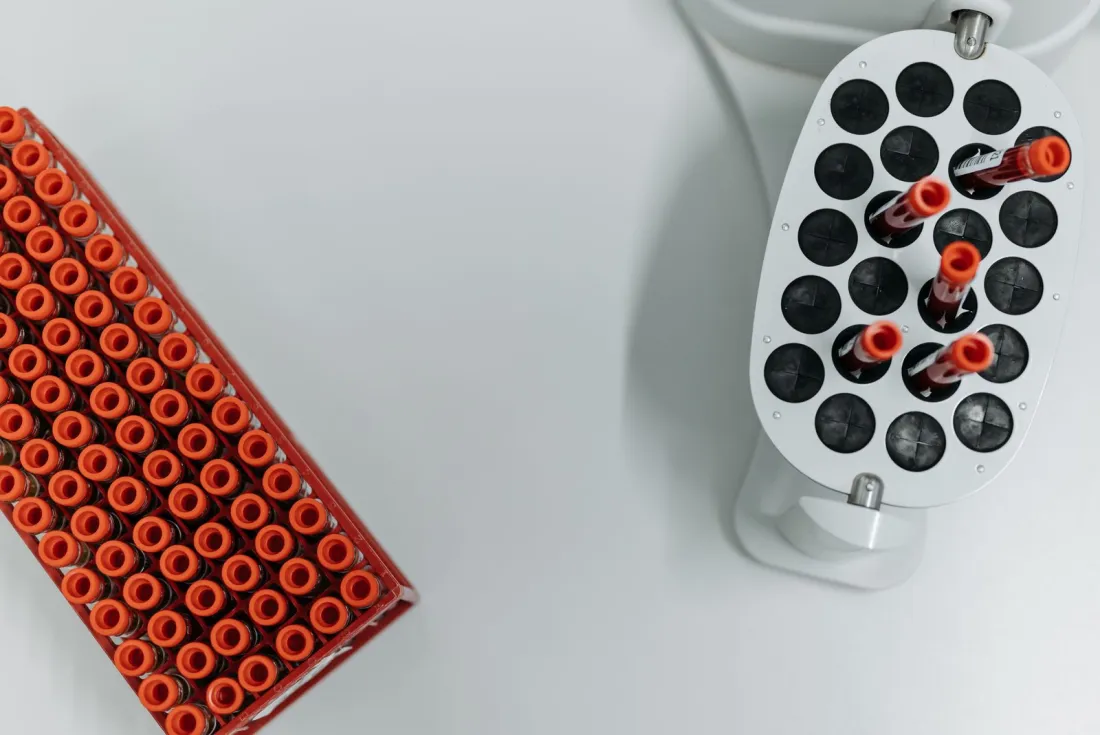
The passport is indirect evidence: it tracks an athlete's own blood markers over time rather than looking for a banned substance. The US Anti-Doping Agency's explainer on the Athlete Biological Passport describes the haematological module as monitoring markers such as haemoglobin, haematocrit and reticulocytes, and notes that an abnormal result may point to doping or to a pathological condition.
That ambiguity is the battleground in every passport case: the anti-doping body must show doping is the likely cause, and the athlete answers with physiology and medical evidence. The Ikeda award shows a documented medical explanation can prevail even where the abnormal values are not disputed.
| Date | Step in the Ikeda case |
|---|---|
| 20 June 2023 | Sample later relied on as showing blood withdrawal; results disqualified from this date |
| June 2024 | World Athletics alleges a Rule 2.2 violation based on the passport |
| 1 November 2024 | Notice of charge; provisional suspension follows in November |
| 28 February 2025 | Disciplinary Tribunal imposes a four-year ban |
| March 2025 | Appeal filed with CAS |
| 11 and 12 May 2026 | In-person CAS hearing in Lausanne |
| 23 October 2026 | CAS upholds the appeal; no violation, immediate reinstatement |
Why the CAS appeal changed the outcome
The decisive feature is the scope of review. Under R57 of the CAS Code of Sports-related Arbitration, an appeal panel "has full power to review the facts and the law" and may issue a new decision replacing the one under challenge. A CAS appeal is therefore a rehearing, not a narrow review for error, much as in the club cases discussed in our analysis of the Manchester City 115 charges and appeal routes.
R57 also gives panels discretion to exclude evidence that a party had, or could reasonably have found, before the first decision. The CAS release indicates that the panel took account of the fuller evidential record, which it said gave it further elements of assessment. Federations cannot assume a first-instance win will survive a deeper evidential contest, which is why sports law specialists and dispute resolution advisers bring in medical experts from the first charge letter.

Can World Athletics challenge the award?
Only in narrow circumstances. R59 of the CAS Code makes an award final and binding, subject to recourse under Swiss law within 30 days of notification. Because CAS is seated in Switzerland, that recourse lies to the Swiss Federal Supreme Court, which reviews awards on limited grounds, including incompatibility with public policy under section 190(2)(e) of the Federal Act on Private International Law. Our explainer on why the seat of arbitration matters covers the general principle, and advisers in Switzerland handle these applications.
That review has come under pressure. In Semenya v Switzerland, decided on 10 July 2025, the European Court of Human Rights Grand Chamber held by 15 votes to 2 that Switzerland breached the right to a fair hearing because the Federal Supreme Court had not given an athlete's challenge a particularly rigorous examination. How that applies when a federation, not an athlete, challenges an award remains to be seen.
What the ruling means for athletes and federations
Mr Ikeda can compete again. Al Jazeera reported that he was barred from the Japan Race Walking Championships in February 2025. The disqualification of his results flowed from the violation, so it would be expected to fall away with it, although the full award will settle the detail. CAS says the award will be published unless the parties request confidentiality.
- For athletes: a passport charge is defensible with detailed medical records and credible experts; advisers in Japan and elsewhere should preserve evidence early.
- For federations: expert-panel opinions are persuasive, but a fuller record on appeal can shift the outcome.
- For sponsors and clubs: provisional suspensions can last years, so contracts need clear suspension and reinstatement terms, a point also raised in our piece on sponsorship legal risk in football.
For enforcement questions after an award, see our guide to enforcing arbitration awards internationally, and follow more cases on the sports and entertainment news page.
Frequently asked questions
Why was Koki Ikeda banned?
World Athletics alleged blood manipulation under Rule 2.2 of its anti-doping rules, based on abnormal values in his Athlete Biological Passport. On 28 February 2025 its Disciplinary Tribunal imposed a four-year ban. There was no positive test.
Why did CAS overturn the Koki Ikeda doping ban?
The CAS panel accepted that some passport values were abnormal but found his alternative physiological explanation plausible, including personal medical conditions. With far more evidence than at first instance, it held that no violation had been committed.
What is the Athlete Biological Passport?
It is an electronic record that monitors selected blood or urine markers of an individual athlete over time. Abnormal changes can indirectly reveal doping but can also reflect a medical condition.
Can a CAS award be appealed?
A CAS award is final and binding, but under R59 of the CAS Code it is subject to recourse under Swiss law within 30 days of notification. The Swiss Federal Supreme Court reviews awards only on limited grounds, such as a breach of public policy, not as a full appeal.
Can Koki Ikeda compete again?
Yes. CAS ordered his reinstatement to sports participation with immediate effect on 23 October 2026, finding no anti-doping rule violation.
Sources
- Court of Arbitration for Sport: CAS upholds appeal by Koki Ikeda (Japan), media release, 23 October 2026
- Sport Resolutions: World Athletics v Koki Ikeda, Disciplinary Tribunal decision, 28 February 2025
- The Star (Reuters): CAS clears Japan's Ikeda of doping violation, overturns four-year ban, 23 October 2026
- Al Jazeera: CAS clears Japan's Olympic silver medallist Ikeda of doping, 23 October 2026
- Court of Arbitration for Sport: Code of Sports-related Arbitration, procedural rules
- European Court of Human Rights: Grand Chamber judgment Semenya v Switzerland, press release, 10 July 2025
- US Anti-Doping Agency: A Closer Look, Athlete Biological Passport
About this article
This analysis was researched and written by The Corporate INTL Newsroom, which covers cross-border legal, regulatory and business developments for lawyers, professional advisers and financiers in over 150 jurisdictions. It has been checked against the CAS media release, the published first-instance decision, the CAS Code and primary reporting. The full CAS award had not been published at the time of writing. This article is general information, not legal advice; for advice on a specific matter, consult a qualified adviser. Last reviewed 29 October 2026. For more analysis like this, visit the Corporate INTL newsroom or subscribe to Corporate INTL.
Looking for legal or business advice?
Tell us what you need and the Corporate INTL team will help you find the right lawyer or adviser from our members in 150+ jurisdictions.
1What you need2Your details
More from the newsroom
All latest news →