The US President signed an executive order on 12 May 2025 on most-favored-nation drug pricing, titled "Delivering Most-Favored-Nation Prescription Drug Pricing to American Patients". The order states that Americans should have access to the most-favored-nation price for prescription medicines, meaning prices in line with comparably developed nations, and sets out the steps the administration will take if manufacturers do not offer it.
Corporate INTL Newsroom · Life Sciences & Pharmaceuticals
Most-Favored-Nation Drug Pricing Order Sets 30-Day Targets for Pharma Companies
By The Corporate INTL Newsroom · 13 May 2025
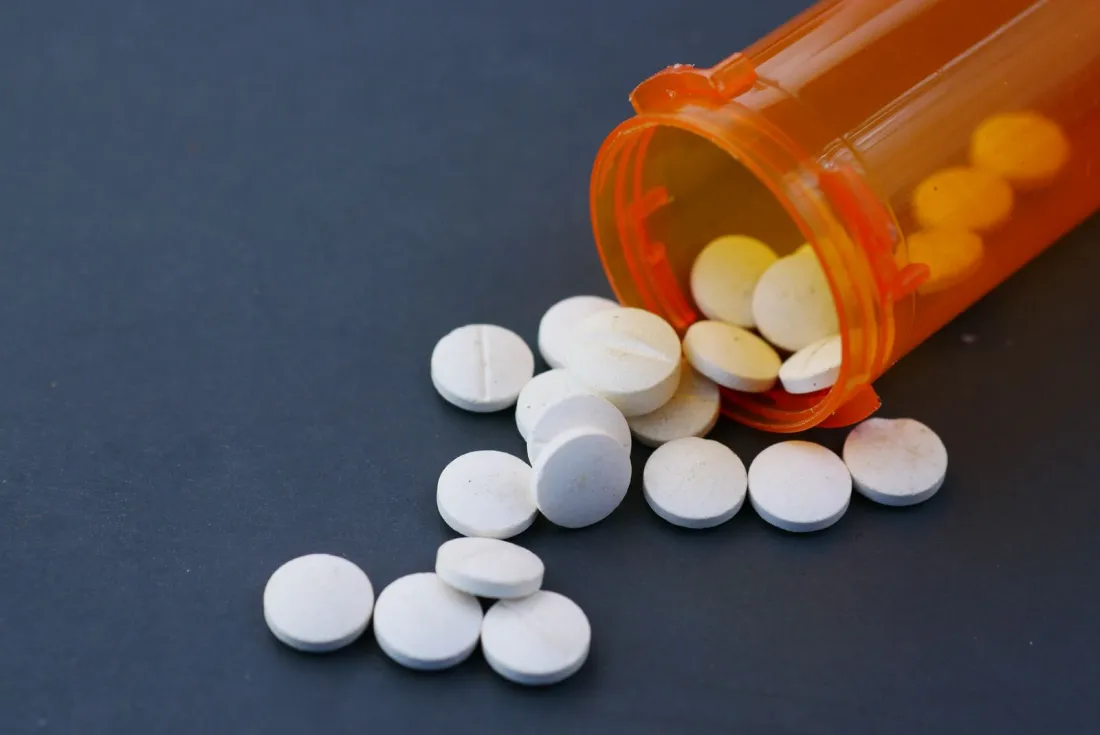
The accompanying White House fact sheet says that, after manufacturer discounts, US brand-name drug prices are more than three times what other OECD nations pay, and that the United States, with less than 5% of the world's population, funds around 75% of global pharmaceutical profits. It also says the new effort extends to Medicaid as well as Medicare.
What the order requires
Within 30 days, the Secretary of Health and Human Services, working with other officials including the Administrator of the Centers for Medicare and Medicaid Services, is to communicate most-favored-nation price targets to manufacturers. HHS is also directed to facilitate direct-to-consumer purchasing programmes for manufacturers that sell to American patients at the most-favored-nation price. Separately, the Commerce Secretary and the US Trade Representative are told to act against foreign practices that, in the administration's view, unfairly shift research and development costs onto American patients, including by suppressing drug prices abroad.
If manufacturers do not make significant progress
The order lists further steps, each to the extent consistent with law:
- HHS is to propose a rulemaking plan to impose most-favored-nation drug pricing.
- HHS is to consider certifying to Congress that importation under section 804(j) of the Federal Food, Drug, and Cosmetic Act poses no additional risk and would significantly reduce costs, which would allow case-by-case waivers for imports from developed nations with low-cost drugs.
- The Attorney General and the Federal Trade Commission are to take enforcement action against anti-competitive practices, using the Sherman Act and section 5 of the FTC Act as appropriate.
- The Commerce Department is to review export of drugs or precursor materials that may be driving global price discrimination.
- The FDA is to review, and potentially modify or revoke, approvals for drugs that are unsafe, ineffective or improperly marketed.
Who is affected
Manufacturers selling branded medicines in the US face a short timetable: targets within 30 days and the threat of rulemaking after that. Because the benchmark is prices in other developed countries, the order ties US pricing policy directly to what those countries pay. The order itself creates no enforceable private rights, so its practical effect will depend on the targets HHS sets and on any rules that follow.
Sources
Looking for legal or business advice?
Tell us what you need and the Corporate INTL team will help you find the right lawyer or adviser from our members in 150+ jurisdictions.
1What you need2Your details
More from the newsroom
All latest news → Related stories

Life Sciences & Pharmaceuticals
COINS Act Biotech: Treasury Proposes Barring US Investment in Chinese Drug Developers

Life Sciences & Pharmaceuticals
Do Medical Devices Need to Be CE Marked? EU MDR Rules, UKCA and Selling in Great Britain

Life Sciences & Pharmaceuticals