The European Commission put forward a legislative proposal on 17 June 2025 for a Russian gas phase-out that would gradually stop imports of Russian gas and oil into the EU by the end of 2027. The proposed regulation follows the REPowerEU Roadmap adopted in May 2025 and covers both pipeline gas and liquefied natural gas (LNG) originating in, or exported directly or indirectly from, the Russian Federation.
Corporate INTL Newsroom · Energy, Environment & Resources
Commission Proposes Russian Gas Phase-Out by the End of 2027
By The Corporate INTL Newsroom · 18 June 2025
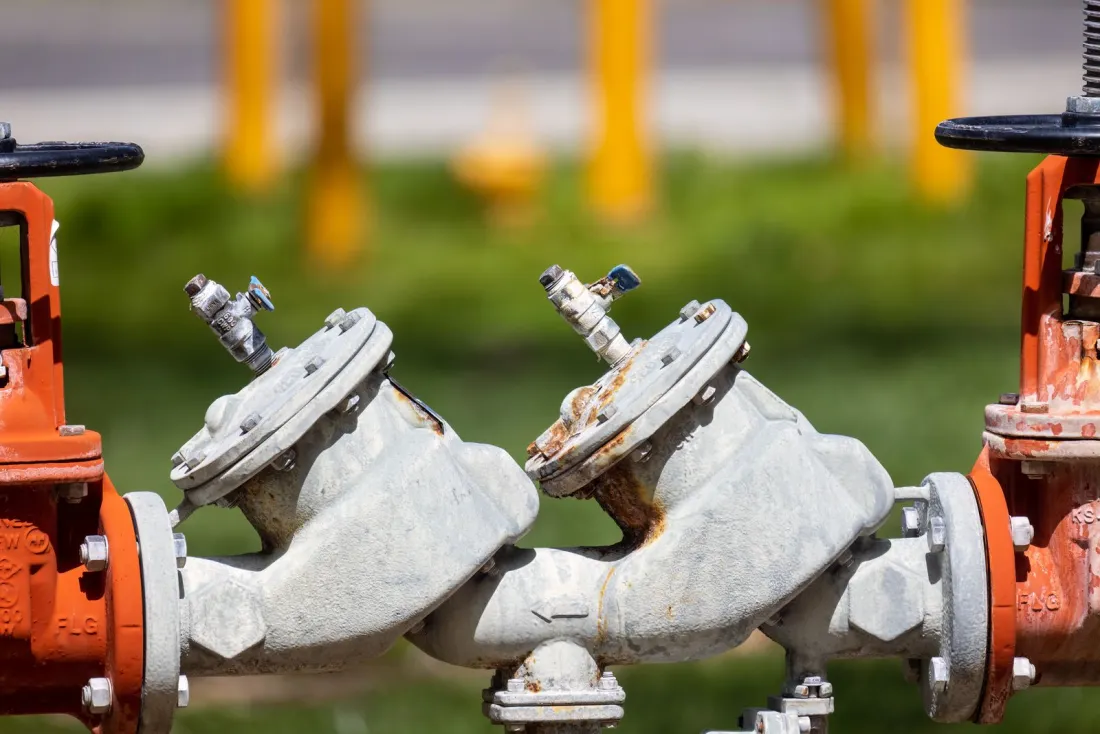
According to the Commission's press release, the remaining Russian gas volumes can be phased out without significant economic impact or risk to security of supply, because of sufficient alternative suppliers on the global gas market, a well interconnected EU gas market and sufficient import infrastructure. The Commission noted that the EU saw a rebound in Russian gas imports in 2024.
The proposed timeline
- New contracts: imports of Russian gas under new contracts would be prohibited from 1 January 2026.
- Short-term contracts: imports under existing short-term contracts would stop by 17 June 2026, except pipeline gas delivered to landlocked countries and linked to long-term contracts, which would be allowed until the end of 2027.
- Long-term contracts: imports would stop by the end of 2027.
- LNG terminals: long-term contracts for LNG terminal services for customers from Russia or controlled by Russian undertakings would also be prohibited.
Member States would have to present diversification plans with measures and milestones for eliminating Russian gas and oil imports. Countries still importing Russian oil would need to plan for a full stop by the end of 2027, as the Commission's summary explains.
Monitoring and safeguards
Companies holding contracts for Russian gas would have to provide information to the Commission, and importers would have to give customs authorities information confirming the route of the gas from its actual origin to the point of import. The Commission, with the EU Agency for the Cooperation of Energy Regulators (ACER), would monitor the phase-out, and could take emergency measures if the security of supply of one or more Member States were threatened.
Who is affected and what happens next
Gas importers, traders, LNG terminal operators and utilities with Russian-origin supply contracts are directly affected, as are their counterparties and lenders. Companies will need to review contracts for termination rights and the effect of a legal prohibition on performance. The proposal will follow the ordinary legislative procedure, so it must be adopted by the European Parliament and the Council; adoption in the Council requires a qualified majority.
Sources
Looking for legal or business advice?
Tell us what you need and the Corporate INTL team will help you find the right lawyer or adviser from our members in 150+ jurisdictions.
1What you need2Your details
More from the newsroom
All latest news → Related stories
Energy, Environment & Resources
Physical PPA vs Virtual PPA: Risks, Accounting and Scope 2 Claims
Energy, Environment & Resources
Can Oil Companies Be Sued for Climate Change? Suncor v Boulder Reaches the US Supreme Court

Energy, Environment & Resources