Short term rental rules Austria applies to holiday lets come from three layers: federal tenancy, condominium and tax law, the building, zoning and tourism laws of the nine Länder, and an EU regulation that each Land may choose to use. In Vienna a flat can be let to tourists for up to 90 days a year without a permit, and from 1 January 2027 every flat offered on Airbnb or Booking.com needs a number from the city's new short-term rental register. Salzburg treats almost any tourist use of a flat as a change of use that needs a permit, and condominium owners usually need every other owner's consent.
Corporate INTL Newsroom · Real Estate & Property
Short Term Rental Rules Austria: Vienna's 90-Day Cap, the 2027 Register, Permits and Tax
By The Corporate INTL Newsroom · 24 November 2026

Every rule below was checked against official Austrian sources on 24 November 2026. If you need advice on a specific flat, the Corporate INTL directory lists real estate lawyers in Austria within our wider directory of advisers in Austria.
Short term rental rules Austria: the short answer
Letting a flat to tourists is legal in Austria only when the building rules, the ownership or lease position, the registration duty and the tax obligations all line up. One failure, such as a missing co-owner consent, is enough to stop a listing.
| Layer | Main rule | Who enforces it | Exposure |
|---|---|---|---|
| Vienna Building Code | Up to 90 days a year without a permit; beyond that a permit of up to five years | MA 37 building authority | Fine up to EUR 50,000; at least EUR 2,000 for repeat breaches |
| Vienna register | Registration number in every listing from 1 January 2027 | MA 37 and the platforms | Fine up to EUR 50,000; listings blocked |
| Salzburg zoning law | Tourist use of a flat only with a permit or an exception | Building authority | Offering alone is prohibited since 1 August 2025 |
| Tyrol tourism law | Written notice to the tourism association before the first guest | Tourism association, district authority | Fine up to EUR 5,000 |
| Condominium law | Unanimous consent of the other owners, or a court order | Co-owners through the civil courts | Injunction |
| Tenancy law | No whole-flat subletting without consent where the MRG applies | Landlord through the courts | Termination of the lease |
| Tourist tax | Vienna Ortstaxe 5% of the accommodation fee, 8% from 1 July 2027 | MA 6 tax office | Fine up to EUR 21,000 |
Who sets the rules: federal law, the Länder and the EU
The federal state sets the private-law and tax rules, the Länder set the planning, building and tourism rules, and the EU regulation changes things only where a Land opts in.
The Tenancy Act (Mietrechtsgesetz, MRG) decides whether a tenant may sublet, and the Condominium Act (Wohnungseigentumsgesetz, WEG) decides what an owner may do with a flat dedicated to residential use. Trade law decides whether letting becomes a hospitality business: private room letting by members of the household as a side activity, with no more than ten guest beds, falls outside it, as the City of Salzburg's building law office summarises the case law. Tourism is a Land matter, which is why the Federal Ministry of Economy, Energy and Tourism says each Land decides whether to apply the EU regulation. Foreign buyers should first check they may acquire the flat at all, as our guide to ownership rules for foreign buyers explains.
Vienna's Building Code: the 90-day rule and the permit
Since 1 July 2024 a Vienna flat may be let short term for more than 90 days a calendar year only with an exception permit, and inside residential zones it may not be used for short-term letting unless it is converted into a lodging establishment.
The 90-day allowance is narrow. Under the MA 37 guidance on using flats for short-term letting, it covers temporary letting on which Ortstaxe is paid, without giving up your own home, and only if you are not already letting another Vienna flat this way. It is aimed at home-sharing. Companies cannot rely on it, because a legal person has no residence, which matters when choosing between personal and company ownership, as our guide to sole trader vs limited company explains.
Beyond 90 days you need a permit under section 129(1a) of the Building Code, granted for at most five years. MA 37 lists four conditions:
- Location. The flat is not in a residential zone (Wohnzone) or a garden-plot zoning category.
- No housing subsidy. No public housing subsidy was used to build the flat.
- Residential majority. Most flats in the building stay in residential use.
- The 50% cap. No more than half of the building's units serve commercial short-term accommodation.
The application needs the written consent of all owners of the building, naming the flat, plus plans, a list of units with their tourist beds and proof of fire safety. In a residential zone, conversion needs a building permit granted only in limited cases, for example where at least 80% of the usable floor area, ground floor and basements aside, stays residential. Merely offering a flat for more than 90 days without a permit can cost up to EUR 50,000, and every repeat breach at least EUR 2,000.
Vienna's short-term rental register from 1 January 2027
From 1 January 2027 every flat or room offered for short-term letting in Vienna through an online platform must be registered and show its registration number in the listing.
The duty under the new Vienna Short-Term Rental Register Act (WKVRG) covers individuals and companies however often they let, including home-sharing below 90 days. Each flat, and each separately offered room, needs its own registration. According to the MA 37 information sheet on the registration duty, hosts give their details, any ancillary services and, per unit, the maximum sleeping places, the approved use and, for a flat, the reference number of its section 129(1a) permit.
Listings online before 1 January 2027 have until 1 April 2027; new listings need a number from day one. Without one a flat may not be offered, and the platforms cooperate so that unregistered listings can be blocked. Registration is not a permit and does not make a let lawful. Breaches carry fines of up to EUR 50,000, with at least EUR 2,000 for each repeat breach.
Condominium flats: why every other owner must agree
If the condominium contract dedicates your unit as a flat, you may not let it repeatedly to tourists until it has been rededicated, which normally needs the unanimous consent of the other owners.
This follows from the Supreme Court decision OGH 5 Ob 59/14h of 23 April 2014, which the federal portal's guidance on letting a condominium flat summarises. Approval by the property manager is not enough, and a missing consent can only be replaced by a judge in non-contentious proceedings. In the case decided, repeated lets of two to thirty days counted as short term. A one-off let, or letting while you are away yourself, needs no rededication.

A unit dedicated as a holiday apartment may be let to tourists, so the portal advises buyers to have that right written into the contract. The co-owners' right is enforceable: the City of Salzburg notes that, on the strength of the same ruling, co-owners can sue for an injunction even where zoning law allows tourist use. Such disputes go to the civil courts, where dispute resolution lawyers in Austria act for owners and communities.
Rented flats: subletting on Airbnb under the MRG
A tenant who wants to let a rented flat to tourists must first check whether the MRG applies, because in most rented flats letting the whole flat without consent is a ground for ending the lease.
The federal portal's guidance on subletting a rented flat sets out three positions:
- Outside the MRG. Flats in one- or two-family houses, for example, may be sublet to tourists unless the lease expressly forbids it.
- Full or partial MRG application. The landlord may terminate if the whole flat is sublet and is evidently not urgently needed by the tenant, or if part is sublet for a disproportionately high rent, even where the lease is silent, unless the landlord consented.
- Full MRG application. Typically flats in multi-unit buildings put up before the end of the Second World War. A lease ban on subletting binds only for an important reason, such as subletting the whole flat, a sublet rent more than 50% above the permitted main rent, disturbance of the house or overcrowding.
A tenant under the full MRG who keeps living in most of the flat may let part of it without consent, but tourist rates make the 50% test easy to fail, and the landlord can sue to stop the subletting as well as to terminate. The Land of Tyrol's guide to letting your flat adds that subletting a council flat breaches the MRG and can lead to termination.
Salzburg: a permit for any tourist use of a flat
Throughout the Land of Salzburg, using a flat for tourist accommodation needs a permit from the building authority unless one of five exceptions applies, and since 1 August 2025 even offering such a flat online is prohibited.
The rule is section 31b of the Salzburg Spatial Planning Act 2009 (ROG 2009). In its August 2025 letter to the Salzburg Chamber of Commerce, the city explains that tourist accommodation covers paid, temporary lodging for travellers, business travellers included, and that lets under 30 days fall within the ban. The exceptions are:
- Second-home areas. Designated second-home areas or specially marked zones; the city of Salzburg has none.
- Older apartment buildings. Buildings approved as apartment buildings under the pre-1973 rules.
- Farm buildings. Lodging in working farm buildings.
- Private room letting. Up to ten guest beds let by household members, in guest rooms or up to three units in the building where the host lives, with the host present.
- Use before 2018. Flats demonstrably and lawfully let to tourists before 1 January 2018, subject to further limits.
A permit is granted only if no housing subsidy was used and the flat is not well suited as a main residence, such as a basement flat, and then for at most ten years.

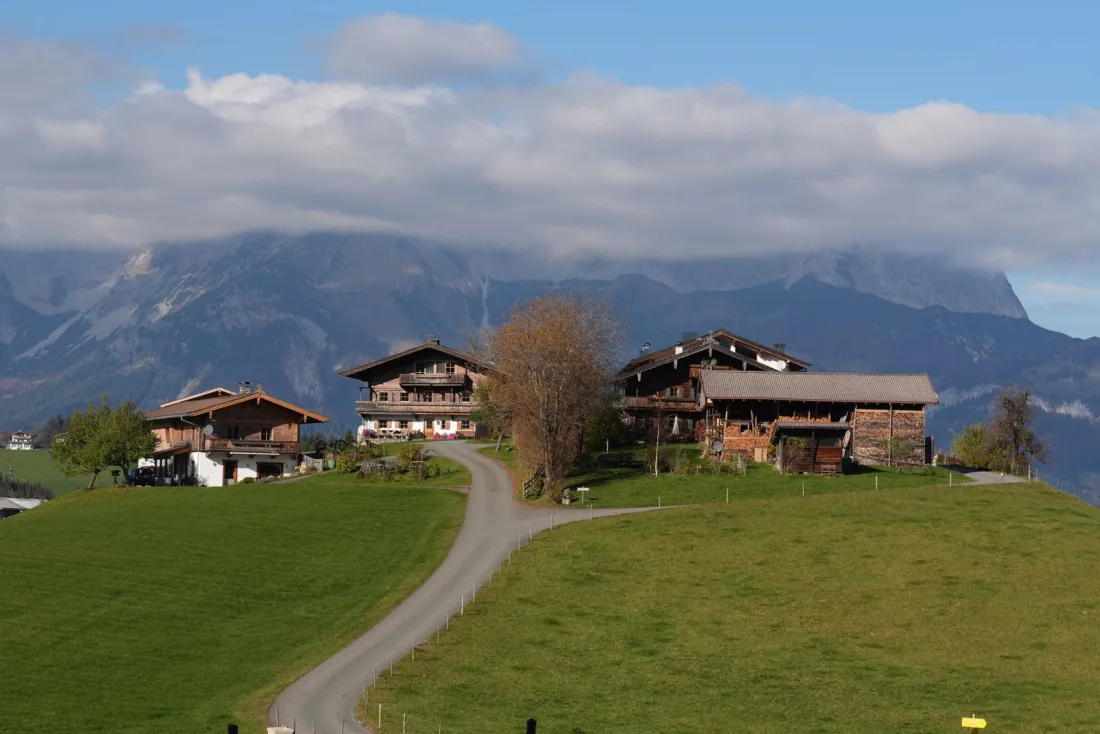
Tyrol and the other Länder
In Tyrol, anyone who lets accommodation must notify the local tourism association in writing before the first guest, record every guest within 24 hours and collect a levy of up to EUR 5 per person and night.
The Tyrol guide says the notice gives the host's identity, contact details and number of beds, and failing to notify carries a fine of up to EUR 5,000. Owners should also check zoning limits with the municipality and ask the district authority whether a trade licence is needed. For lets that start to look like a guesthouse, the directory also lists tourism and hospitality advisers.
The other six Länder have their own levy, registration and zoning rules, so the starting point is always the municipality where the flat sits. For a step-by-step compliance checklist, from landlord consent to levy reporting, see this guide to permits, taxes and landlord rights for short-term lets in Austria.
| Land | Building or zoning limit | Registration | Guest levy |
|---|---|---|---|
| Vienna | 90 days a year; permit of up to five years beyond that; residential zones closed | City register from 1 January 2027 | Ortstaxe 5% of the fee, 8% from 1 July 2027 |
| Salzburg | Permit for any tourist use of a flat, five exceptions | Permit from the building authority; offering without one is banned | Local Ortstaxe |
| Tyrol | Zoning checked with the municipality | Tourism association notice before the first guest | Up to EUR 5 per person and night |
| Other Länder | Local zoning and building law | Under each Land's tourism law | Under each Land's levy law |
Tourist tax, VAT and income tax
A host in Austria collects a local tourist tax from guests, owes VAT at 10% once turnover passes the EUR 55,000 small-business limit, and reports the rental profit to the tax office.
Vienna's Ortstaxe rose from 3.2% to 5% of the accommodation fee for stays from 1 July 2026 and rises to 8% from 1 July 2027, under the City of Vienna's Ortstaxe FAQ. The base is the fee without breakfast and VAT, cleaning charges included, and stays of more than three months are exempt. The host collects it, is liable for it, files an annual return and faces fines of up to EUR 21,000 for underpaying.
The Federal Ministry of Finance confirms that residential letting and hotel accommodation are taxed at 10% and that small businesses are exempt but may opt in. The federal portal puts the small-business limit at EUR 55,000, and an exempt host cannot recover input VAT. The Tyrol guide reminds hosts that income tax may also be due and a tax number must be requested from the tax office, and platforms report hosts' income to the tax authorities under the EU's DAC7 rules. Owners abroad should check how their home country treats the same rents, as our guides to residence vs domicile and becoming non-resident for UK tax explain, and the directory lists tax advisers in Austria.
The EU short-term rental regulation in Austria
Regulation (EU) 2024/1028 has applied since 20 May 2026, but the federal ministry says no Land had implemented it when it started to apply.
The regulation, in force since 19 May 2024, gives each unit a registration number that must appear in platform listings, and platforms send booking data to the authorities monthly. The ministry says applying it is not mandatory, each Land decides whether and when to implement it, and the ministry will run the single digital entry point for data between platforms and authorities. Vienna's register, built on the same idea of a number in every listing, applies from 1 January 2027, and the ministry says some Länder may follow.
When to instruct a local lawyer in Austria
Instruct an Austrian lawyer before you buy a flat to let, before you sign a lease you intend to sublet, and as soon as an authority, a co-owner or a landlord writes to you.
Typical triggers are a Vienna permit that needs every owner's signature, a residential dedication in the condominium contract, a possible Salzburg exception, a letter from MA 37 or a landlord's notice. Before the first meeting, gather the land register extract, the condominium contract or lease, the approved plans, a record of nights let and Ortstaxe paid, and any letters received.
You can search real estate and property lawyers in Austria, browse the full Austria directory, or start from our real estate and property practice pages for cross-border matters. Corporate INTL is a directory of lawyers and advisers in more than 150 jurisdictions: if you would like an introduction, use the form below and we will put you in touch with a member.
| Related guide | What it covers |
|---|---|
| Can foreigners buy property abroad? | Ownership rules, taxes and restrictions in ten countries |
| How to buy property in Portugal as a foreigner | Each step from tax number to deed |
| Spanish property lawyer | How to choose and what to expect |
Frequently asked questions
Is Airbnb legal in Vienna?
Yes, within limits. You may let your own flat for up to 90 days a calendar year without a permit if you keep living there. Longer lets need a permit of up to five years, residential zones are closed, and from 2027 every listing needs a registration number.
What is the 90-day rule in Vienna?
The Building Code allows short-term letting of a flat for up to 90 days between 1 January and 31 December without a permit, provided Ortstaxe is paid and you keep your home there. Companies cannot use it. Beyond 90 days a section 129(1a) permit is required.
Do I need to register my Vienna flat for short-term rental?
Yes. From 1 January 2027 every flat or room offered through online platforms must be registered and show its number in the listing, however rarely it is let. Listings online before 2027 have until 1 April 2027. Fines reach EUR 50,000.
Do other owners have to agree before I let my condominium flat to tourists?
Usually yes. If the condominium contract dedicates the unit as a flat, repeated tourist lets of two to thirty days are a change of use that needs the unanimous consent of the other owners or a court order, following OGH 5 Ob 59/14h. The property manager's approval is not enough.
Can I sublet my rented flat on Airbnb in Austria?
Rarely without consent. Where the Tenancy Act applies, subletting the whole flat or charging a disproportionately high rent lets the landlord terminate the lease, and most leases ban subletting. Flats outside the Act may be sublet unless the lease forbids it.
How much is the tourist tax in Vienna?
The Ortstaxe is 5% of the accommodation fee, net of breakfast and VAT, for stays from 1 July 2026, rising to 8% from 1 July 2027. Cleaning fees count towards the base, and stays over three months are exempt.
Do I pay VAT on short-term rental income in Austria?
Accommodation is taxed at the reduced rate of 10%, but hosts whose annual turnover stays within the EUR 55,000 small-business limit are exempt, which also means no input VAT is recovered.
Does the EU short-term rental regulation apply in Austria?
It has applied since 20 May 2026, but only where a Land creates a registration procedure, and the federal tourism ministry says none did at the start. Vienna's own register, with a number in every listing, applies from 1 January 2027.
Sources
- City of Vienna, MA 37, Merkblatt Verwendung von Wohnungen zur Kurzzeitvermietung (October 2026)
- City of Vienna, MA 37, Merkblatt Kurzzeitvermietung: Registrierungspflicht (October 2026)
- City of Vienna, MA 6, FAQ zur Ortstaxe
- oesterreich.gv.at, Vermieten der Eigentumswohnung
- oesterreich.gv.at, Untervermieten der Mietwohnung
- oesterreich.gv.at, Zimmervermietung und Umsatzsteuer
- Federal Ministry of Finance, Vermietung und Verpachtung in der Umsatzsteuer
- Federal Ministry of Economy, Energy and Tourism, EU Regulation 2024/1028 (STR Regulation)
- Land of Tyrol, Leitfaden zur privaten Wohnungsvermietung
- City of Salzburg, letter on tourist use under section 31b ROG 2009 and the WEG (29 August 2025)
About this article
This guide was researched and written by The Corporate INTL Newsroom, which covers cross-border legal, regulatory and business developments for lawyers, professional advisers and financiers in over 150 jurisdictions. Every rule, rate and fine has been checked against official guidance from the City of Vienna, the City of Salzburg, the Land of Tyrol, the Federal Ministry of Finance, the Federal Ministry of Economy, Energy and Tourism and the federal portal oesterreich.gv.at. It is general information, not legal or tax advice; your position depends on the flat, the building, the Land and your lease or condominium contract, so take advice from a qualified Austrian lawyer or tax adviser before you list a property. Last reviewed 24 November 2026. For more analysis like this, visit the Corporate INTL newsroom or subscribe to Corporate INTL.
Looking for legal or business advice?
Tell us what you need and the Corporate INTL team will help you find the right lawyer or adviser from our members in 150+ jurisdictions.
1What you need2Your details
More from the newsroom
All latest news →