The High Court has sanctioned the interim Thames Water restructuring plan. In a judgment handed down on 18 February 2025, Re Thames Water Utilities Holdings Ltd [2025] EWHC 338 (Ch), Mr Justice Leech approved the plan proposed under Part 26A of the Companies Act 2006 and imposed it on dissenting junior creditors through a cross-class cram down.
Corporate INTL Newsroom · Insolvency & Restructuring
High Court Sanctions Thames Water Restructuring Plan Over Junior Creditor Opposition
By The Corporate INTL Newsroom · 20 February 2025
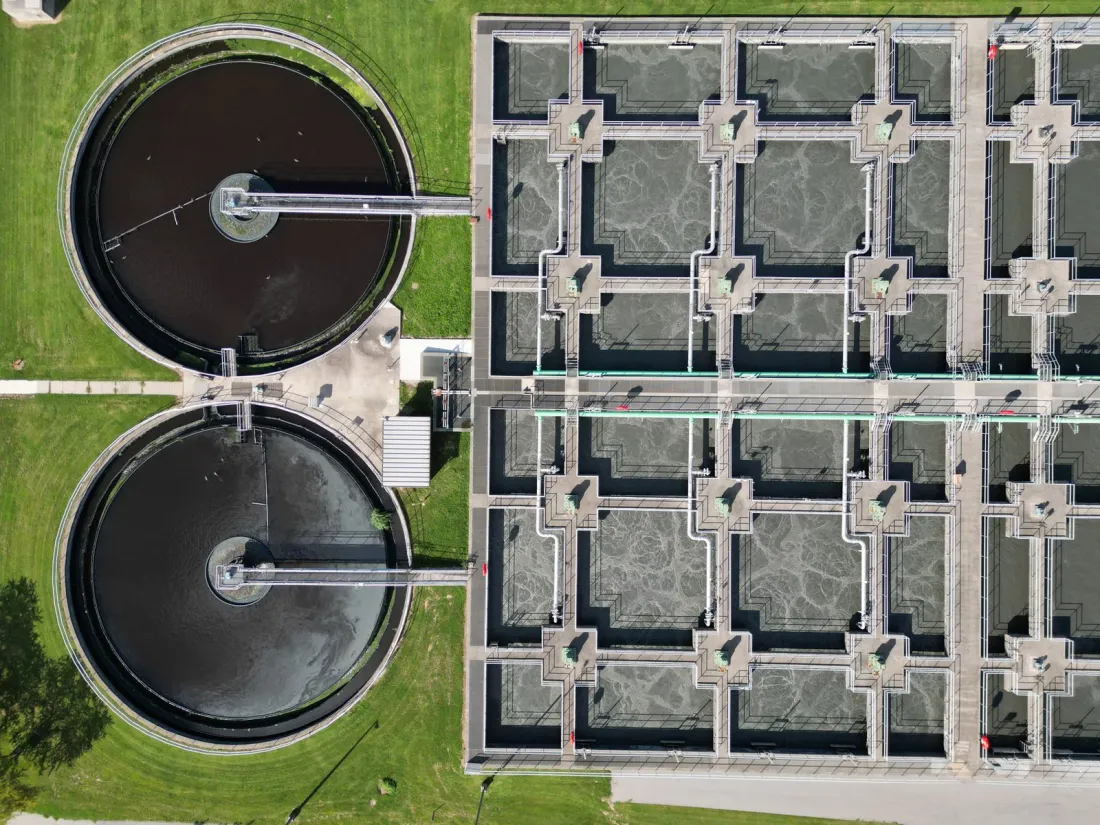
The judgment records that the Thames Water Group is the UK's largest provider of water and sewerage services by number of customers, serving 24% of the population, and that without new money the plan company would run out of cash on 24 March 2025. Ofwat's final determination for the price review was published on 19 December 2024.
What the plan does
The court was asked to sanction only an interim solution, the "Interim Platform Transaction". It extends the final maturity dates and scheduled amortisation of all classes of debt by two years and cancels undrawn commitments under the existing facilities. It brings in £1.5 billion of new super senior funding with capacity for a further £1.5 billion, carrying interest at 9.75%, to give the group a platform to raise capital and propose a long-term restructuring.
At the plan meetings on 21 January 2025, the Thames Water restructuring plan was approved by more than 75% in value of most classes, including almost all Class A creditors. Only 15.5% of Class B creditors present and voting supported it, and the parent, Thames Water Ltd, voted against in its own class as subordinated creditor.
Why the court sanctioned it
According to the approved judgment, the judge found that the relevant alternative was a special administration regime, not the competing "B Plan" promoted by an ad hoc group of Class B creditors, and that the no worse off test was satisfied. Applying a horizontal comparison, he held that the plan was not unfair to Class B creditors, and he found no blot on the plan on competition law grounds or in the form of the releases for directors and advisers. A local MP was held to have standing to oppose the plan in the public interest, but the judge exercised his discretion to sanction it, taking into account the public interest in the uninterrupted provision of vital public services. He also observed that the costs of finance and adviser fees were very high and might be described as eye-watering.
What happens next
A hearing on consequential matters, including possible amendments to information rights and the releases, followed hand-down. The decision is significant for regulated utilities and for restructuring practice generally: it shows the court using cross-class cram down to bridge a liquidity gap where the realistic comparator is a statutory special administration, while leaving the long-term recapitalisation still to be agreed.
Sources
Looking for legal or business advice?
Tell us what you need and the Corporate INTL team will help you find the right lawyer or adviser from our members in 150+ jurisdictions.
1What you need2Your details
More from the newsroom
All latest news → Related stories
Insolvency & Restructuring
Administration vs Liquidation: Control, Directors, Staff, Creditors and Which Suits Your Company

Insolvency & Restructuring
Goldman Sachs Supreme Court Case: Can Bankruptcy Courts Refuse Arbitration?

Insolvency & Restructuring