The United Kingdom and India agreed a trade deal on 6 May 2025, concluding negotiations on a UK-India free trade agreement after final talks in London between the UK Business and Trade Secretary and India's Minister of Commerce and Industry. Agreement was reached between the two Prime Ministers. The UK government expects the deal to increase UK GDP by GBP 4.8 billion, wages by GBP 2.2 billion and bilateral trade by GBP 25.5 billion each year in the long run.
Corporate INTL Newsroom · Regulatory & Public
UK-India Free Trade Agreement Concluded After Final Talks in London
By The Corporate INTL Newsroom · 7 May 2025
What has been agreed on goods
According to the government's conclusion summary, India will remove or reduce tariffs on 90% of tariff lines, covering 92% of existing goods imports from the UK. After staging over ten years, 85% of tariff lines will be fully tariff-free. Key changes include:
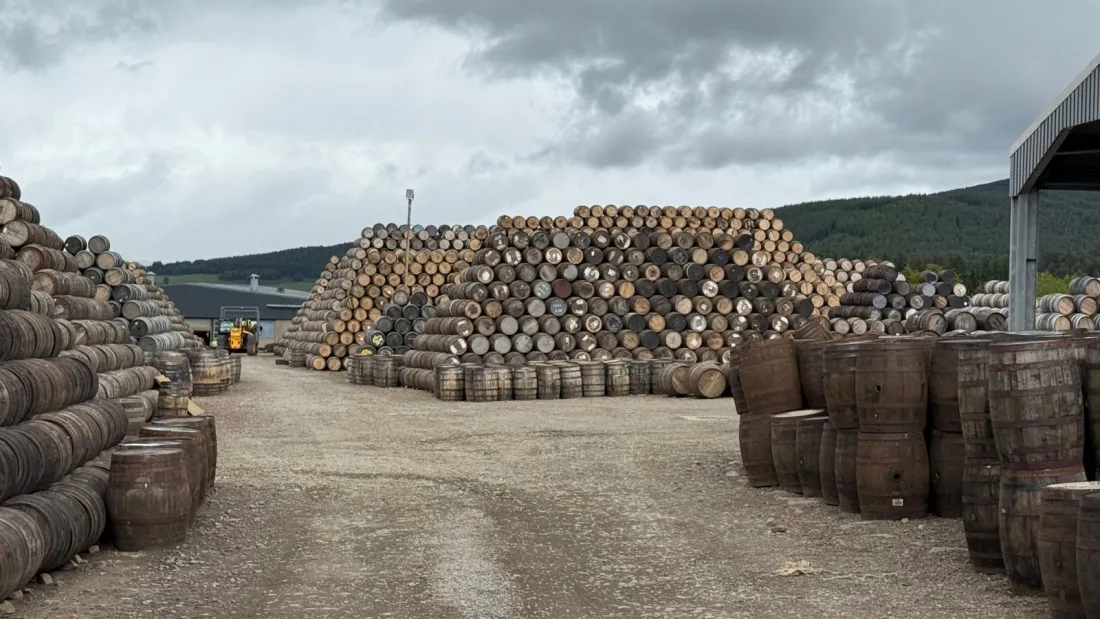
- Whisky and gin: Indian tariffs of 150% will be cut to 75% on entry into force and to 40% by year ten.
- Cars: automotive tariffs of over 100% fall to 10% under a quota.
- Other goods: reduced tariffs on cosmetics, aerospace, lamb, medical devices, salmon, electrical machinery, soft drinks, chocolate and biscuits.
The government estimates that India's tariff cuts are worth around GBP 400 million on existing trade, more than doubling to around GBP 900 million after ten years.
Services, procurement and social security
The summary describes access for UK businesses to India's public procurement market of approximately 40,000 tenders worth at least GBP 38 billion a year. Alongside the trade deal, the two countries agreed to negotiate a Double Contributions Convention, under which employees temporarily working in the other country for up to three years will continue to pay social security contributions only in their home country. It will come into force in line with the wider deal.
What happens next
Work is continuing to finalise the legal text. Once it has been completed and legally verified, the agreement will be signed and must then complete each country's domestic procedures, including UK parliamentary scrutiny, before it enters into force. Exporters in the drinks, automotive, medical technology and professional services sectors, and employers who second staff between the two countries, should begin assessing rules of origin and tariff schedules once the legal text is published.
Sources
Looking for legal or business advice?
Tell us what you need and the Corporate INTL team will help you find the right lawyer or adviser from our members in 150+ jurisdictions.
1What you need2Your details
More from the newsroom
All latest news → Related stories

Regulatory & Public
Is Online Gambling Legal in the Netherlands? The Ksa's Record €37m EOD Code Fine

Regulatory & Public
Are Prediction Markets Legal? The Kalshi Rulings, State Gaming Law and Global Bans

Regulatory & Public