The US Supreme Court has upheld the CFPB funding structure, ruling on 16 May 2024 that the way Congress funds the Consumer Financial Protection Bureau satisfies the Appropriations Clause of the Constitution. In Consumer Financial Protection Bureau v. Community Financial Services Association of America, the Court reversed a Fifth Circuit decision that had found the Bureau's funding mechanism unconstitutional, and remanded the case. The decision was by seven votes to two.
Corporate INTL Newsroom · Banking & Finance
Supreme Court Upholds CFPB Funding Structure Under Appropriations Clause
By The Corporate INTL Newsroom · 17 May 2024
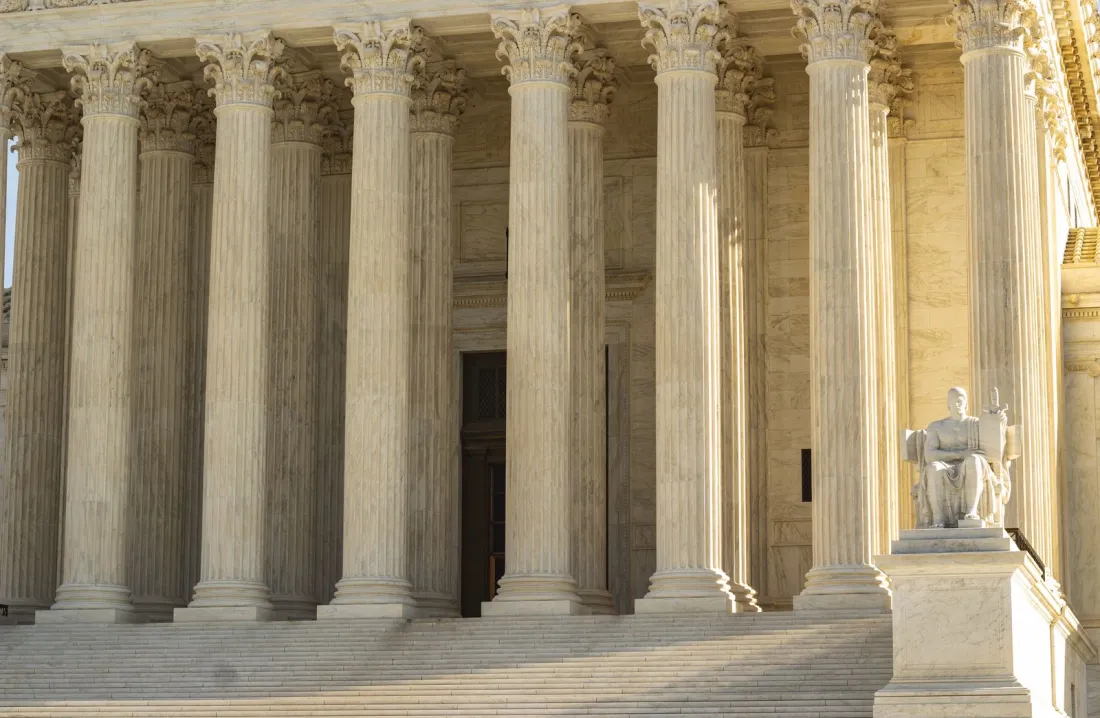
Unlike most federal agencies, which are funded through annual appropriations, the Bureau draws from the Federal Reserve System an amount its Director deems reasonably necessary to carry out its duties, subject to an inflation-adjusted cap. Trade associations representing payday lenders and credit-access businesses had challenged the Bureau's rules on high-interest consumer loans, arguing among other things that this standing funding arrangement violated the Appropriations Clause.
What the Court decided
The Court held that an appropriation is a law that authorises expenditure from a specified source of public money for designated purposes. Because the statute authorises the Bureau to draw money from the earnings of the Federal Reserve System to carry out its duties, it is an appropriation made by law. The majority reached that view from the text of the Constitution, the history against which it was written and congressional practice immediately after ratification. Two Justices dissented.
In a statement issued the same day, the Bureau said the Court had rejected the payday lending industry's arguments and confirmed that its funding structure is an established part of the financial regulatory system, and that it would continue the consumer protection work Congress assigned to it.
Who is affected
The decision removes a constitutional cloud that had hung over the Bureau's rules and enforcement actions, including the payday lending regulations at the centre of the case. Banks, non-bank lenders, payment companies and other firms supervised by the Bureau can expect its rulemaking and enforcement agenda to proceed. Litigants who had raised the funding argument in other cases will need to rely on other grounds.
What happens next
The case returns to the Fifth Circuit for further proceedings on the remaining challenges to the payday lending rule. More broadly, the ruling confirms that Congress may give an agency a standing source of funding outside the annual appropriations process, provided the law identifies the source and the purposes of the spending. Regulated firms should review pending matters with the Bureau and plan for continued supervisory activity.
Sources
Looking for legal or business advice?
Tell us what you need and the Corporate INTL team will help you find the right lawyer or adviser from our members in 150+ jurisdictions.
1What you need2Your details
More from the newsroom
All latest news → Related stories

Banking & Finance
Will UniCredit Buy Commerzbank? Why Control Is Expected This Month and What Changes

Banking & Finance
Binance Hack: Inside the $6.3bn Crypto Theft and What It Means for Customers

Banking & Finance