Defamation lawyers in the UK work under a strict timetable: in England and Wales a libel or slander claim must usually be issued within one year of publication, and a statement is only defamatory if it has caused, or is likely to cause, serious harm to reputation. Instruct a specialist early, whether you are the person named or the publisher facing a complaint, and check regulation and fees first. When you are ready, our directory of dispute resolution and litigation lawyers in the United Kingdom can put you in touch with a member.
Corporate INTL Newsroom · Dispute Resolution & Litigation
Defamation Lawyers UK: How to Choose and What to Expect
By The Corporate INTL Newsroom · 20 November 2026
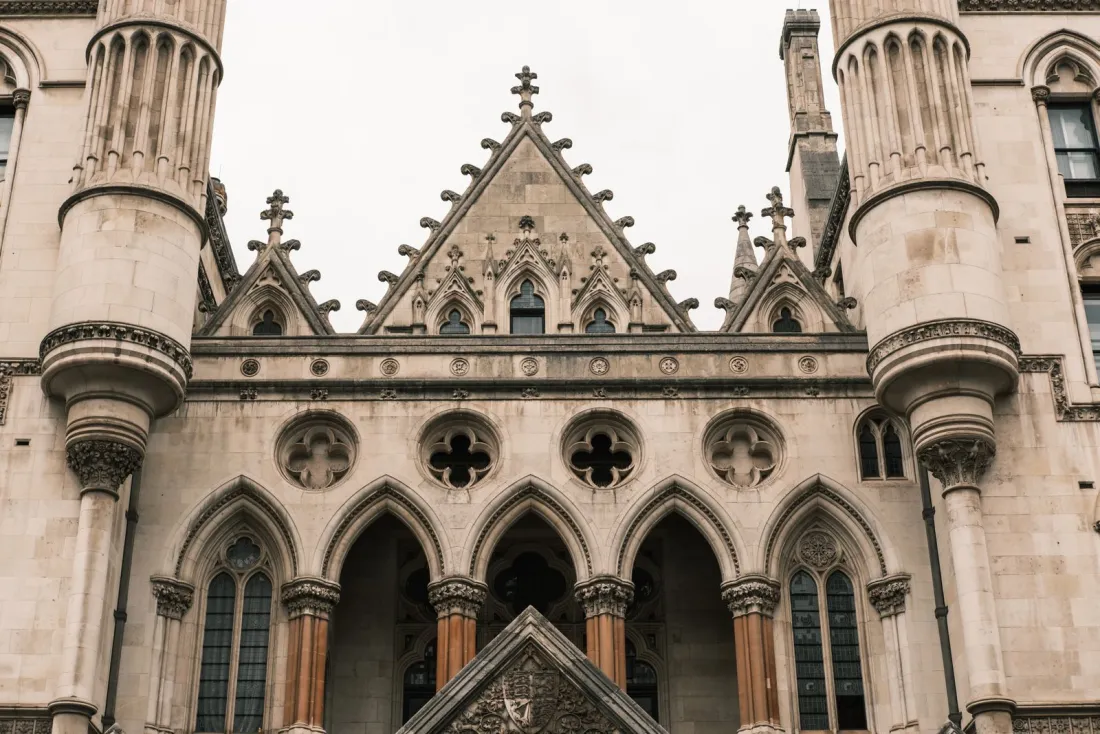
What a defamation lawyer does in England and Wales
A defamation lawyer assesses whether a statement is actionable, writes or answers the letter of claim, negotiates corrections, apologies and takedowns, and runs any court claim, acting for either claimants or publishers, platforms and businesses accused of defamation.
Under CPR Part 53, a High Court claim must be issued in the Media and Communications List if it is or includes a claim for defamation, misuse of private information, data protection or harassment by publication. It is a specialist list of the King's Bench Division, so experience there matters, and an online smear can raise several of these claims at once. For the regulatory side of online content, see how Ofcom enforces the Online Safety Act.
Do you have a claim? Serious harm, defences and the one-year limit
You have a claim only if the statement refers to you, was published to someone else, and has caused or is likely to cause serious harm to your reputation. Section 1 of the Defamation Act 2013 sets that threshold, and for a business that trades for profit, harm is not "serious" unless it has caused or is likely to cause serious financial loss.

| Rule | What it means | Where it comes from |
|---|---|---|
| Serious harm | The claimant must show serious harm to reputation; a company trading for profit must show serious financial loss | Defamation Act 2013, s.1 |
| Truth | A defence if the imputation conveyed is substantially true | Defamation Act 2013, s.2 |
| Honest opinion | A defence for opinion that indicates its basis and an honest person could hold | Defamation Act 2013, s.3 |
| Public interest | A defence if the statement was on a matter of public interest and the defendant reasonably believed publishing it was in the public interest | Defamation Act 2013, s.4 |
| Website operators | A defence for an operator that did not post the statement, subject to the notice of complaint rules | Defamation Act 2013, s.5 |
| Single publication | Time runs from the first publication to the public, unless a later publication is made in a materially different manner | Defamation Act 2013, s.8 |
| Time limit | One year from the date the cause of action accrued, with a court discretion to disapply it | Limitation Act 1980, ss.4A and 32A |
The one-year limit in section 4A of the Limitation Act 1980 applies to libel, slander and malicious falsehood. Section 32A lets the court allow a late claim where that would be equitable, but never plan around it.
Under section 9, if the defendant is not domiciled in the UK, the court must be satisfied that England and Wales is clearly the most appropriate place to sue. US public figures face an actual malice test, as our reports on the dismissal of Trump's Wall Street Journal lawsuit and the Florida ruling in his BBC claim explain. To collect abroad, see how to enforce a foreign judgment.
The 2013 Act extends to England and Wales only. Scotland has the Defamation and Malicious Publication (Scotland) Act 2021, in force since 8 August 2022, and Northern Ireland has its own law, so instruct a lawyer qualified where you will sue.
The letter of claim and the pre-action protocol
Before issuing a claim, you send a detailed letter of claim under the Pre-Action Protocol for Media and Communications Claims. Courts take non-compliance into account on costs. The letter should identify the publication and the words complained of, the date of publication if known, the meaning you say they carry, why they are inaccurate, and how they have caused or are likely to cause serious harm, with details of financial loss for a trading company. It should state the remedies sought and any funding arrangement.
The defendant should reply as soon as reasonably possible; if it cannot respond within 14 days (or any shorter time set in the letter), it should say when it will. ADR is not compulsory, but the court expects both sides to consider it, from without prejudice talks to mediation; see mediation vs arbitration for how those processes compare.
Costs, legal aid and SLAPPs
Civil legal aid will not usually pay for a defamation case. Paragraph 7 of Part 2 of Schedule 1 to the Legal Aid, Sentencing and Punishment of Offenders Act 2012 excludes defamation and malicious falsehood. Clients pay privately, or through a conditional fee ("no win, no fee") agreement, insurance or litigation funding. Ask how adverse costs would be met if you lose.
Claimants should also know the anti-SLAPP rule. Section 194 of the Economic Crime and Corporate Transparency Act 2023 required court rules allowing early strike-out of SLAPP claims; section 195 defines a SLAPP as a claim restraining public-interest speech about economic crime, where the claimant intends harassment, expense or harm beyond ordinary litigation. CPR rule 3.4(2)(d) now lets the court strike out such a claim where the claimant fails to show it is more likely than not to succeed at trial.
How to choose defamation lawyers in the UK
Choose a lawyer who is regulated, regularly handles media and communications claims, and is clear about cost and risk. Check any solicitor or firm on the SRA's Solicitors Register, which lists the solicitors and firms the SRA regulates. Specialist work for publishers and platforms often sits in technology, media and telecoms lawyers in the UK, while claimant work often sits with litigators.

Questions to ask before you instruct anyone
- How many media and communications claims have you run, and for which side?
- On these facts, can we show serious harm, and which defences do you expect?
- When does the one-year limitation period end for each publication?
- What will the letter of claim stage cost, and what would a trial cost?
- Do you offer a conditional fee agreement, and how would adverse costs be covered?
Red flags
- A promised payout. No lawyer can guarantee an outcome.
- No mention of limitation. With a one-year limit, the deadline should be the first thing your lawyer checks.
- Issuing without a letter of claim. Skipping the protocol risks a costs penalty.
- No written fee terms. Ask for the engagement terms and a costs estimate before work starts.
When to instruct a local lawyer
Instruct a defamation lawyer as soon as you see the statement or receive a letter of claim, well before the one-year limit. Prepare:
- Screenshots or copies of every publication, with URLs, dates and, for spoken words, who said what to whom.
- Evidence of harm: lost contracts, complaints, or messages showing who read it.
- Correspondence with the publisher or platform, including takedown requests.
- A short chronology and your goal: correction, apology, removal, damages or a defence.
If the allegation comes out of a business dispute, see business partner stealing money. Browse our UK litigation and dispute resolution lawyers, all advisers in the United Kingdom, or the dispute resolution directory across 150+ jurisdictions. Tell us about your matter, use the form below and we will put you in touch with a member.
Frequently asked questions
Can you sue in the UK for defamation?
Yes. In England and Wales you can sue for libel or slander if a statement about you was published to others and caused, or is likely to cause, serious harm to your reputation.
What is the time limit for a defamation claim in the UK?
In England and Wales, one year from the date the cause of action accrued, under section 4A of the Limitation Act 1980. The court can disapply it where equitable, but late claims are risky.
What counts as defamation in the UK?
A published statement that refers to the claimant and has caused, or is likely to cause, serious harm to their reputation. For a business trading for profit, that harm must cause or be likely to cause serious financial loss.
Can I get legal aid for a defamation claim?
Not usually. The Legal Aid, Sentencing and Punishment of Offenders Act 2012 excludes defamation and malicious falsehood from general civil legal aid.
What happens if I receive a defamation letter of claim?
Take advice quickly. Under the media and communications pre-action protocol you should give a full response as soon as reasonably possible and, if you cannot reply within 14 days, say when you will.
Sources
- legislation.gov.uk: Defamation Act 2013
- legislation.gov.uk: Limitation Act 1980 (sections 4A and 32A)
- Ministry of Justice: Pre-Action Protocol for Media and Communications Claims
- Ministry of Justice: Civil Procedure Rules Part 53, Media and Communications Claims
- Ministry of Justice: Civil Procedure Rules Part 3, rule 3.4
- legislation.gov.uk: Economic Crime and Corporate Transparency Act 2023, sections 194 and 195
- legislation.gov.uk: Legal Aid, Sentencing and Punishment of Offenders Act 2012, Schedule 1, Part 2
- Solicitors Regulation Authority: Solicitors Register
About this article
This guide was researched and written by The Corporate INTL Newsroom, which covers cross-border legal, regulatory and business developments for lawyers, professional advisers and financiers in over 150 jurisdictions. It has been checked against legislation.gov.uk and the Civil Procedure Rules and pre-action protocol published by the Ministry of Justice, and covers England and Wales. It is general information, not legal advice; for advice on a specific statement or claim, consult a qualified lawyer. Last reviewed 20 November 2026. For more analysis like this, visit the Corporate INTL newsroom or subscribe to Corporate INTL.
Looking for legal or business advice?
Tell us what you need and the Corporate INTL team will help you find the right lawyer or adviser from our members in 150+ jurisdictions.
1What you need2Your details
More from the newsroom
All latest news → Related stories

Dispute Resolution & Litigation
Trump New York Times Lawsuit: Why a Judge Let the $15bn Defamation Claim Proceed

Dispute Resolution & Litigation
Mediation vs Arbitration: Binding Outcomes, Costs and Cross-Border Enforcement

Dispute Resolution & Litigation