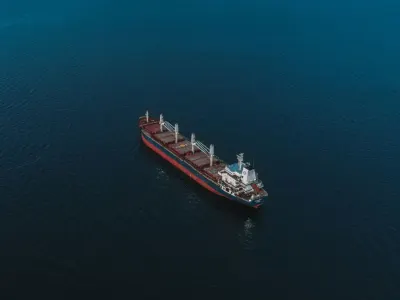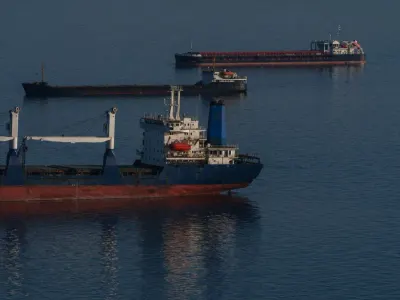
The FuelEU Maritime Regulation, Regulation (EU) 2023/1805 on the use of renewable and low-carbon fuels in maritime transport, applied in full from 1 January 2025. It covers ships above 5,000 gross tonnage calling at European ports, whatever flag they fly, with exceptions such as fishing vessels, and it sets limits on the greenhouse gas intensity of the energy those ships use, according to the European Commission's FuelEU Maritime page.
The regulation forms part of the EU's "Fit for 55" package. The Commission notes that ships above 5,000 gross tonnage account for 55% of ships calling at EU ports but around 90% of the sector's CO2 emissions. Two provisions applied earlier: Articles 8 and 9, on the submission of monitoring plans, have applied since 31 August 2024.
What the rules require
The core obligation is a cap on the yearly average greenhouse gas intensity of energy used on board, measured on a well-to-wake basis and covering carbon dioxide, methane and nitrous oxide. The required reduction against the 2020 average is 2% from 2025, 6% from 2030, 14.5% from 2035, 31% from 2040, 62% from 2045 and 80% from 2050. The European Maritime Safety Agency describes the limits as becoming more ambitious over time.
The FuelEU Maritime Regulation is goal-based and technology-neutral: operators choose which fuels and technologies to use, and flexibility mechanisms are designed to reward early movers. A separate obligation applies at berth. From 1 January 2030, container and passenger ships must connect to onshore power supply, or use another zero-emission technology, in ports covered by the EU's alternative fuels infrastructure rules, and from 2035 in all EU ports that have such facilities.
What happens next
2025 is the first reporting period. Shipping companies must monitor energy used on board from 1 January 2025 and submit their first FuelEU report, covering the whole of 2025, to an accredited verifier by 31 January 2026. EMSA has updated its THETIS-MRV platform to support compliance and has published guidance and FAQs for industry.
One geographical caveat matters for Nordic routes. The Commission states that application is delayed in Norway and Iceland until the regulation is incorporated into the EEA Agreement, and that until then Norwegian and Icelandic ports are treated as third-country ports for FuelEU purposes. For companies operating on EU routes, the first compliance year is now under way, and fuel choices made in 2025 will feed directly into the first verified report.