How to choose a construction lawyer comes down to four checks: the right specialism for your problem, a regulatory record you have verified yourself, a clear and written fee estimate, and a team that can work to the tight statutory timetables construction disputes run on. Get those right and you will usually get the rest right too. Below: what to look for, the official 2026 cost benchmarks, the questions to ask and the warning signs. To compare advisers, the Corporate INTL construction directory lists specialists by country.
Corporate INTL Newsroom · Construction
How to Choose a Construction Lawyer: What to Look For, Fees and Questions to Ask
By The Corporate INTL Newsroom · 28 October 2026
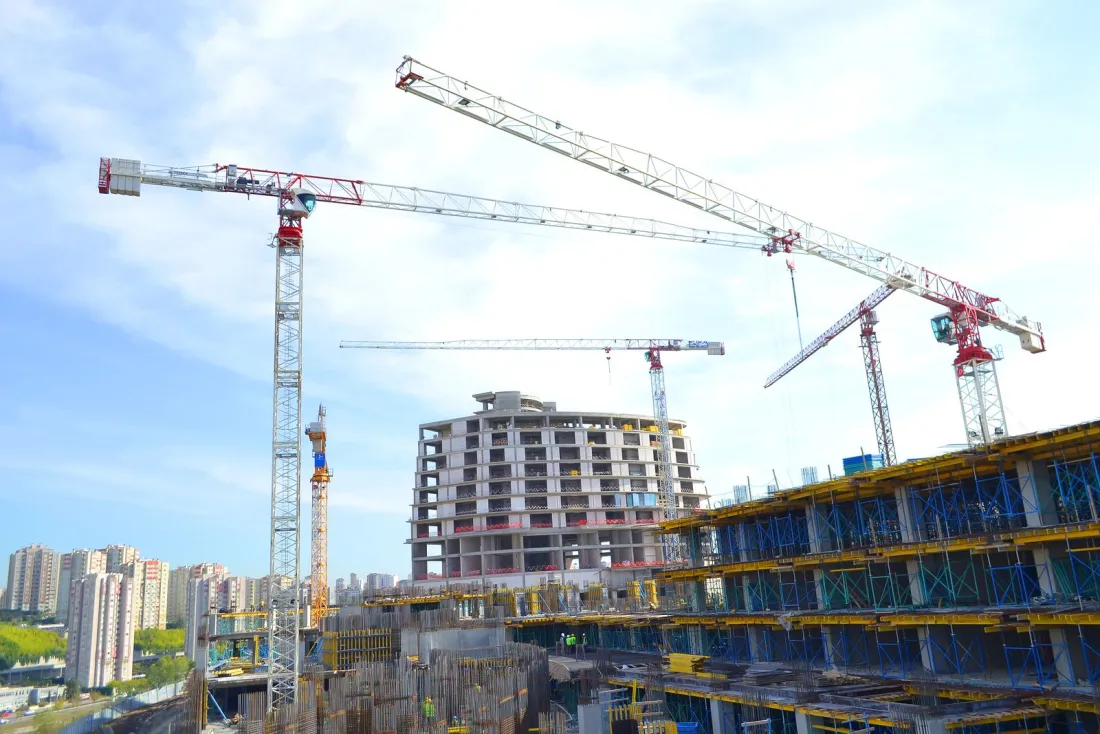
What does a construction lawyer do?
A construction lawyer, often called a construction solicitor in the UK, advises on the contracts, payments, defects and disputes that arise when buildings and infrastructure are designed and built. Non-contentious lawyers draft and negotiate building contracts, consultant appointments and collateral warranties. Contentious lawyers handle the disputes: unpaid valuations, delay claims, defects, termination and claims against consultants.
Much of the contentious work is shaped by statute. Under section 108 of the Housing Grants, Construction and Regeneration Act 1996, a party to a construction contract can refer a dispute to adjudication at any time, and the adjudicator must decide within 28 days of referral, extendable by up to 14 days with the referring party's consent. The decision binds the parties until the dispute is finally determined by litigation, arbitration or agreement. Our construction adjudication process guide explains those stages in detail. A lawyer who cannot mobilise on that timetable is the wrong lawyer for a live payment dispute.
What to look for in a construction lawyer
Look first for a match between the lawyer's day-to-day work and your position in the contract chain. An employer's adviser, a main contractor's adviser and a subcontractor's adviser see the same standard forms from very different angles, and the best fit is someone who regularly acts for parties like you.
| What to look for | Why it matters | How to test it |
|---|---|---|
| Construction specialism, not general litigation | Payment, adjudication and defects law has its own procedures and vocabulary | Ask what share of the team's work is construction and engineering |
| Experience on your side of the contract | Employers, contractors and subcontractors face different risks | Ask for examples of matters for clients in your position |
| Adjudication capacity | A 28-day decision period leaves little time to prepare a response | Ask who will do the work if a notice lands next week |
| Links to experts and counsel | Delay, quantum and defects claims usually need expert evidence | Ask which disciplines of expert the team normally works with |
| Verified regulation and insurance | Protects you if something goes wrong with the advice | Check the regulator's register yourself (see below) |
Membership of a specialist body is a useful signal of focus. The Technology and Construction Solicitors' Association (TeCSA) describes itself as a group of more than 250 members, with membership open to solicitors working in construction, engineering and technology, and it runs its own adjudication service with an accredited panel of adjudicators. Membership is not a guarantee of quality, but it shows where a lawyer spends their time. Neighbouring specialisms matter too: for a development dispute you may also want real estate and property lawyers, and for infrastructure work, advisers on projects.
How to check a construction lawyer's credentials
In England and Wales, check every solicitor and firm on the regulator's own register before you sign an engagement letter. The Solicitors Regulation Authority's register lets you check whether somebody is a solicitor and where they work, whether the SRA regulates a firm, and which firms it has closed and which people it has prohibited from practising. The SRA warns that if a search returns no result, it is not safe to assume the person or firm is regulated by it.
Three further checks take minutes:
- The SRA badge. Under the SRA Transparency Rules, authorised firms must prominently display their SRA number and the SRA digital badge on their website, and show their authorisation number on letterheads and emails.
- The complaints route. The same rules require firms to publish their complaints procedure, including how and when a complaint can be taken to the Legal Ombudsman and the SRA.
- Insurance. The SRA minimum terms for professional indemnity insurance require cover of at least £2 million for any one claim, rising to at least £3 million for certain incorporated and licensed firms. On a large project, ask whether the firm carries more.
Outside England and Wales, run the equivalent check with the local regulator or bar.
Questions to ask a construction lawyer before you instruct
The first meeting is an interview, and the best questions force specific answers. Use these:
- Who will actually do the work? Ask for the names and seniority of the team, and how much of the matter the partner will handle personally.
- Have you acted on this contract form and this type of dispute? Ask for recent, comparable examples, anonymised if necessary.
- What is your first view of our position? A good lawyer identifies the key documents and deadlines early.
- Which route do you recommend, and why? Negotiation, adjudication, mediation, arbitration or court each carry different costs and timescales.
- What will it cost, and how will you report on costs? Ask for a written estimate by stage and how often it will be updated.
- Do you have any conflict of interest? Construction markets are small, and firms often act for the same contractors and consultants.
The conflict question is not a formality. The SRA Code of Conduct for Solicitors says a solicitor must not act where there is a conflict of interest, or a significant risk of one, unless narrow exceptions apply. Asking early saves you instructing a firm that has to stand down later.
Construction solicitor fees: hourly rates and fee models
Most construction lawyers charge by the hour, and the most authoritative public benchmark is the court's own table. The solicitors' guideline hourly rates in effect from 1 January 2026 are guideline figures for the summary assessment of court costs. They are not a cap on what a firm may charge its own client, but they give a realistic sense of how rates vary by seniority and location.
| Grade (fee earner) | London 1 | London 2 | London 3 | National 1 | National 2 |
|---|---|---|---|---|---|
| A: over 8 years' experience | £579 | £422 | £319 | £295 | £288 |
| B: over 4 years' experience | £393 | £327 | £262 | £247 | £247 |
| C: other solicitors and legal executives | £305 | £276 | £209 | £201 | £200 |
| D: trainees, paralegals and others | £210 | £157 | £146 | £142 | £142 |
London 1 covers very heavy commercial and corporate work by centrally based London firms, London 2 covers City and Central London, and London 3 the other London boroughs. Large construction disputes are often run by London 1 or London 2 teams, while many subcontractor payment claims are handled well by regional firms at lower rates.
Ask about fee models as well as rates. Common options are hourly billing, a fixed fee for a defined stage (such as responding to an adjudication), a capped fee, and conditional or damages-based arrangements. Firms advertising business debt recovery up to £100,000 must publish price information under the Transparency Rules, but most construction work falls outside the listed services, so you will usually need to ask. Whatever the model, the SRA Code requires that clients receive the best possible information about how their matter will be priced and its likely overall cost, both at the outset and as it progresses. If your claim is large and cash is tight, ask whether litigation funding is realistic.
Red flags when choosing a construction lawyer
Walk away, or at least ask harder questions, if you see any of these:
- No register entry or SRA badge. A firm that does not appear on the register, or cannot explain why, is a risk you do not need.
- No written cost estimate. A refusal to put an estimate in writing sits badly with the regulator's cost information duty.
- A rush to issue proceedings. The Pre-Action Protocol for Construction and Engineering Disputes applies to all construction and engineering disputes, including professional negligence claims against architects, engineers and quantity surveyors. It expects a letter of claim, an acknowledgment within 14 days, a response within 28 days and normally a pre-action meeting, with exceptions such as enforcing an adjudicator's decision. A lawyer who ignores it may expose you to costs consequences.
- Vague answers about who does the work. If the partner who pitched will not be involved, you should know before you instruct.
- Guaranteed outcomes. No honest construction dispute lawyer can promise a result.
Choosing counsel for an international construction project
On a cross-border project, choose a lawyer who knows the governing law of the contract and the forum named in the dispute clause, not just the country where the site is. International construction contracts often provide for arbitration, so the choice of seat and venue of arbitration and the route to enforcing awards abroad should shape who you instruct. Where a counterparty is in financial trouble, add an adviser on insolvency and restructuring; our explainer on what happens when a company goes into administration covers the UK position. Independent bodies can help too: the RICS Dispute Resolution Service offers adjudication, mediation, arbitration and expert determination, and says it has more than 40 years of experience.
How to find a construction lawyer through Corporate INTL
Start with a shortlist of three. Search the construction specialists in the Corporate INTL directory, then widen to dispute resolution and litigation lawyers if the matter is already contentious, and to architecture and design or insurance advisers where a consultant's liability or a policy is involved. For UK matters, browse advisers in the United Kingdom; for everywhere else, use the full Find an Expert directory. Put the same written questions to each firm, compare the answers and the estimates side by side, and verify each on its regulator's register. If you would like help identifying the right construction lawyer, use our enquiry form and tell us where the project is and what stage the matter has reached.
Frequently asked questions
How do I choose a construction lawyer?
Shortlist specialists who act for clients in your position in the contract chain, check each on the SRA register, get the team and a cost estimate in writing, confirm there is no conflict, and make sure the team can work to adjudication timetables.
What is a construction solicitor?
A construction solicitor advises on building and engineering projects: drafting building contracts, consultant appointments and warranties, and resolving payment, delay and defects disputes through adjudication, arbitration or the courts.
How much does a construction lawyer cost per hour?
There is no fixed price, but the guideline hourly rates in force from 1 January 2026 range from £288 to £579 for a solicitor with over 8 years' experience, depending on location, and from £142 to £210 for trainees and paralegals. These are court benchmarks for summary assessment, not caps on client fees.
Do I need a lawyer for construction adjudication?
You are not obliged to use one, but the adjudicator must decide within 28 days of referral, extendable by up to 14 days with the referring party's consent, and the decision binds the parties until final determination. That pace makes specialist help valuable.
How do I check if a solicitor is regulated?
Search the SRA's Solicitors Register by name. It shows whether a person is a solicitor and where they work, whether the SRA regulates a firm, and closures and prohibitions. Regulated firms must also display their SRA number and digital badge online.
What are red flags when hiring a construction lawyer?
Warning signs include no register entry or SRA badge, no written cost estimate, vague answers about who will do the work, guaranteed outcomes, and advice to issue proceedings without following the Pre-Action Protocol for Construction and Engineering Disputes.
Sources
- legislation.gov.uk: Housing Grants, Construction and Regeneration Act 1996, section 108
- Ministry of Justice: Pre-Action Protocol for Construction and Engineering Disputes
- Solicitors Regulation Authority: Solicitors Register
- Solicitors Regulation Authority: SRA Transparency Rules
- Solicitors Regulation Authority: Code of Conduct for Solicitors, RELs, RFLs and RSLs
- Solicitors Regulation Authority: SRA Indemnity Insurance Rules and Minimum Terms and Conditions
- HM Courts and Tribunals Service: Solicitors' guideline hourly rates
- Technology and Construction Solicitors' Association (TeCSA)
- RICS: Dispute Resolution Service
About this article
This guide was researched and written by The Corporate INTL Newsroom, which covers cross-border legal, regulatory and business developments for lawyers, professional advisers and financiers in over 150 jurisdictions. It has been checked against the Housing Grants, Construction and Regeneration Act 1996, the Pre-Action Protocol for Construction and Engineering Disputes, the Solicitors Regulation Authority's rules and register, and the HMCTS guideline hourly rates. It focuses mainly on England and Wales. This article is general information, not legal advice; for advice on a specific matter, consult a qualified adviser. Last reviewed 28 October 2026. For more analysis like this, visit the Corporate INTL newsroom or subscribe to Corporate INTL.
Looking for legal or business advice?
Tell us what you need and the Corporate INTL team will help you find the right lawyer or adviser from our members in 150+ jurisdictions.
1What you need2Your details
More from the newsroom
All latest news →