The International Tribunal for the Law of the Sea (ITLOS) delivered a unanimous advisory opinion on climate change on 21 May 2024. The Tribunal held that anthropogenic greenhouse gas emissions into the atmosphere constitute pollution of the marine environment within the meaning of the United Nations Convention on the Law of the Sea (UNCLOS), and that States Parties have specific obligations to prevent, reduce and control that pollution.
Corporate INTL Newsroom · Maritime & Shipping
ITLOS Advisory Opinion Treats Greenhouse Gas Emissions as Marine Pollution
By The Corporate INTL Newsroom · 22 May 2024
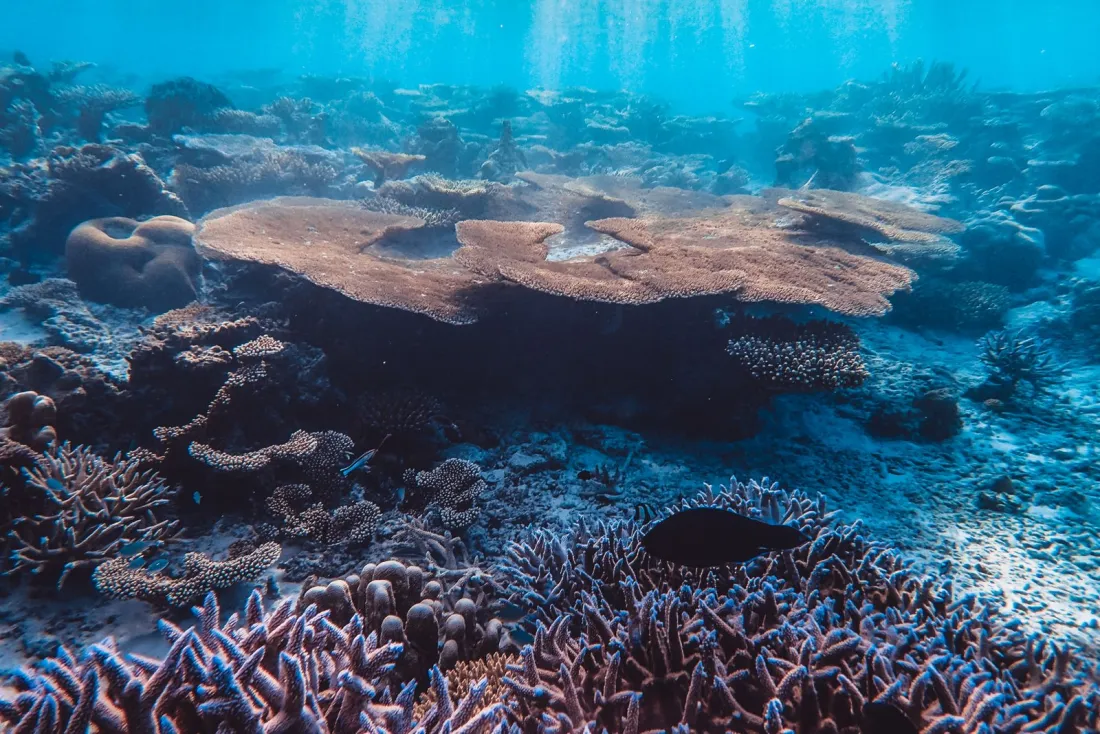
The request was submitted on 12 December 2022 by the Commission of Small Island States on Climate Change and International Law. According to the Tribunal's press release, it asked what specific obligations States Parties have under UNCLOS, including Part XII, to prevent, reduce and control marine pollution linked to climate change, ocean warming, sea level rise and ocean acidification, and to protect and preserve the marine environment from those impacts. The Tribunal unanimously found that it had jurisdiction and decided to respond.
What the Tribunal found
Under article 194(1), States must take all necessary measures to prevent, reduce and control marine pollution from anthropogenic greenhouse gas emissions. Those measures should be determined objectively, taking account of the best available science and relevant international rules, including the UNFCCC and the Paris Agreement and its goal of limiting the temperature increase to 1.5°C above pre-industrial levels. The obligation is one of due diligence, and the Tribunal described the standard as stringent given the high risk of serious and irreversible harm, although its implementation may vary with States' capabilities and resources.
Article 194(2) imposes a separate obligation to ensure that emissions under a State's jurisdiction or control do not cause pollution damage to other States, and the Tribunal said that standard can be even more stringent because of the transboundary nature of the harm.
Why it matters for shipping
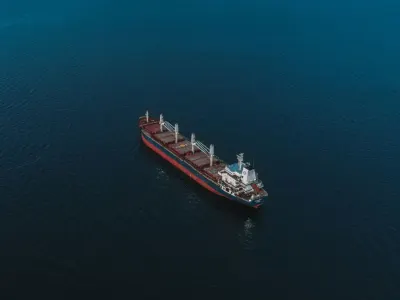
The advisory opinion identifies three sources of this pollution: land-based sources, vessels, and pollution from or through the atmosphere. Under article 211, States must adopt laws and regulations to address greenhouse gas emissions from ships flying their flag or on their registry, which must have at least the same effect as generally accepted international rules and standards established through the competent international organisation. Flag States, shipowners and operators can therefore expect the opinion to be cited in debates over the pace of maritime decarbonisation measures.
What happens next
The opinion answers legal questions put by the Commission of Small Island States rather than deciding a dispute between parties. Even so, the ITLOS advisory opinion sets out in detail how the Tribunal reads States' existing UNCLOS obligations in relation to climate change, and it is likely to be relied on in future negotiations and proceedings.
Sources
Looking for legal or business advice?
Tell us what you need and the Corporate INTL team will help you find the right lawyer or adviser from our members in 150+ jurisdictions.
1What you need2Your details
More from the newsroom
All latest news →