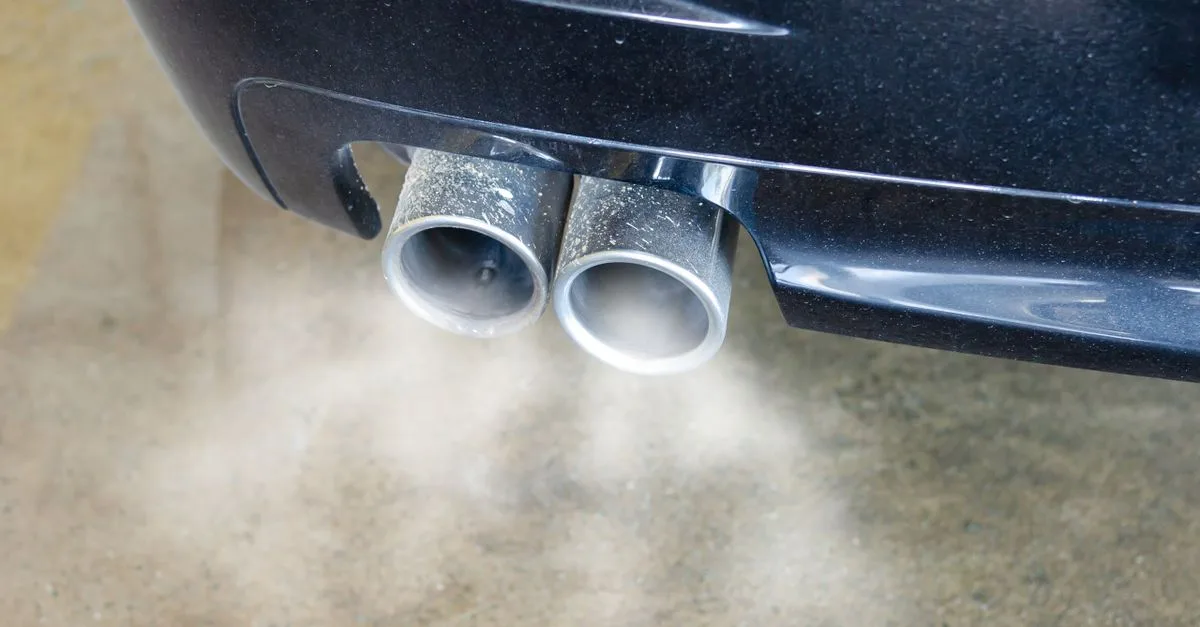
The High Court of England and Wales has handed down a closely watched dieselgate judgment in one of the largest consumer group actions ever brought in the jurisdiction, delivering a mixed outcome that has left both claimant firms and vehicle manufacturers weighing their next steps, with Mercedes-Benz reported to be considering an appeal. The ruling in Various Claimants v Mercedes-Benz Group AG and Others [2026] EWHC 1753 (KB), which followed a trial lasting some 13 weeks, addressed allegations that diesel cars were fitted with prohibited emissions defeat devices. The court rejected most of the principal allegations put forward on behalf of claimants, while making adverse findings in relation to a limited number of vehicles.
Corporate INTL Newsroom · Dispute Resolution & Litigation
Mercedes-Benz Weighs Appeal After Mixed English Ruling in Mass Diesel Emissions Claim
By The Corporate INTL Newsroom · 13 July 2026
Background to the litigation
The proceedings form part of the Pan-NOx Group Litigation, a coordinated set of claims said to involve around 1.6 million owners of Euro 5 and Euro 6 diesel cars and to encompass 14 manufacturers in total. The action was brought against defendants including Mercedes-Benz, Ford, Renault, Nissan, Peugeot and Citroen, and was advanced by a group of claimant firms comprising Leigh Day, Pogust Goodhead, KP Law, Milberg, Hausfeld, Johnson Law Group and Slater and Gordon. The central legal question concerned the interpretation of Article 3(10) of Regulation (EC) No 715/2007 and what, in law, constitutes a prohibited defeat device. Claimants alleged that engine management software unlawfully reduced the effectiveness of emissions controls in ordinary driving conditions. Those allegations have not been established across the board and, save for the specific findings described below, remain unproven.
What the court decided
Presiding over the case, Lady Justice Cockerill examined 20 representative vehicles selected to stand in for the wider claimant group. The court rejected the majority of the principal allegations. It did, however, make adverse findings in respect of a small number of vehicles, identifying what it regarded as prohibited defeat devices in one Mercedes vehicle and two Peugeot-Citroen vehicles. Allegations against Ford, Renault and Nissan in the representative sample were dismissed. The judgment therefore represents a partial outcome rather than a clear victory for either side, and its practical effect for the wider pool of claimants will depend on further stages of the litigation.
Reaction and next steps
Mercedes-Benz indicated that it disagrees with the adverse dieselgate finding and is considering its options, including a possible appeal. Leigh Day partner Martyn Day is reported to have questioned the court's approach, in particular what he characterised as a departure from later decisions of the Court of Justice of the European Union. A further trial, addressing consequences and the assessment of any damages, is expected to take place in October 2026. That hearing is likely to determine how the findings translate into financial exposure for the manufacturers concerned, and whether affected owners will ultimately recover compensation.
The wider implications of the judgment extend well beyond the immediate parties. As one of the most substantial pieces of group litigation to reach trial in England and Wales, the case offers early guidance on how the courts will assess technical emissions evidence at scale and how they will interpret the defeat-device regime now that the United Kingdom sits outside the direct authority of the Court of Justice of the European Union. Manufacturers, insurers and litigation funders across Europe will be watching the anticipated appeal and the autumn damages phase closely, mindful that the reasoning could shape the trajectory of comparable diesel-emissions claims for years to come.
Looking for an expert?
Tell us what you need and the Corporate INTL team will help you find the right lawyer or adviser from our members in 150+ jurisdictions.
1What you need2Your details
More from the newsroom
All latest news → Related stories

Dispute Resolution & Litigation
How to Enforce a Foreign Judgment: UK, EU and US Routes, Costs and Timelines
Dispute Resolution & Litigation
Is MTN Being Sued? What the US Anti-Terrorism Act Ruling Means for Multinationals

Dispute Resolution & Litigation